Foraging With Pascal Baudar
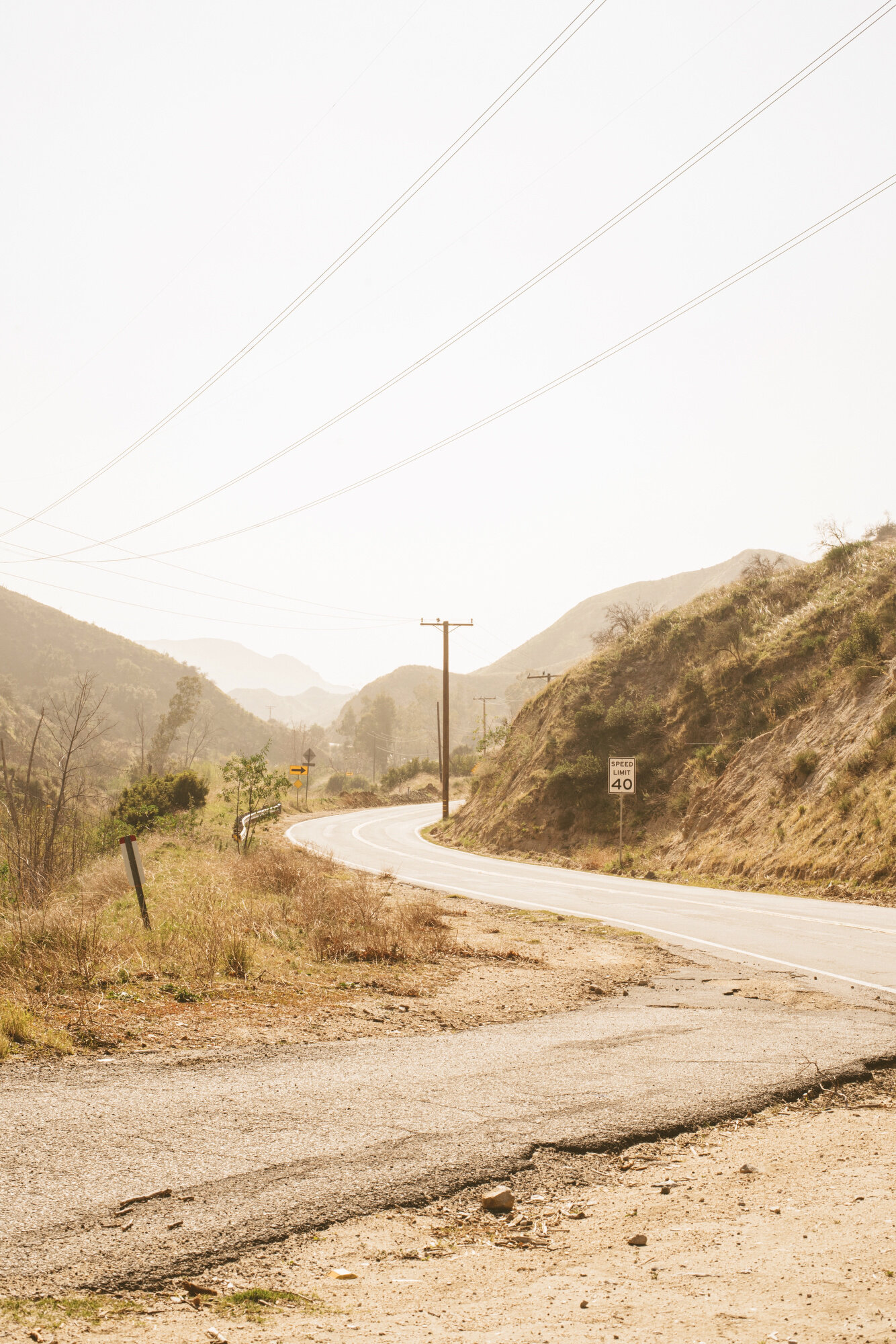
Saturday I had the incredible good fortune to attend a foraging walk workshop with the absolutely remarkable fermentation and wild vegetation expert Pascal Baudar. He has long been cultivating flavors through naturally occurring , and often invasive wild plants creating unusual and complex combinations that are tethered to their geographic location and a fleeting moment in time.

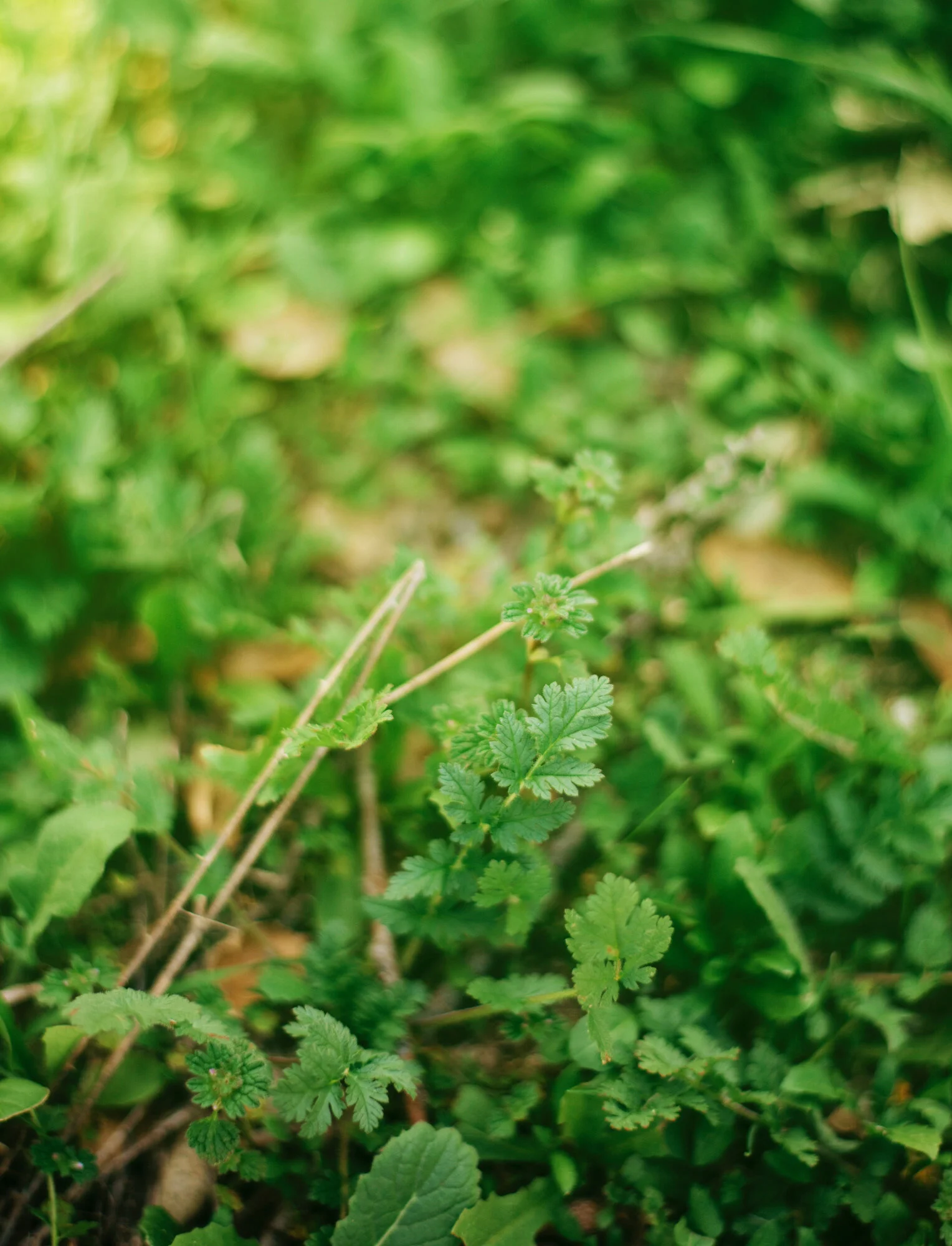
Here Pascal explains Filaree or Common Stork’s Bill- an invasive “weed” that is entirely edible but warns to be extremely cautious picking parsley-like plants unless totally sure of their identification as Hemlock, a toxic plant looks very similar and can grow nearly side by side harmless plants like Filaree.
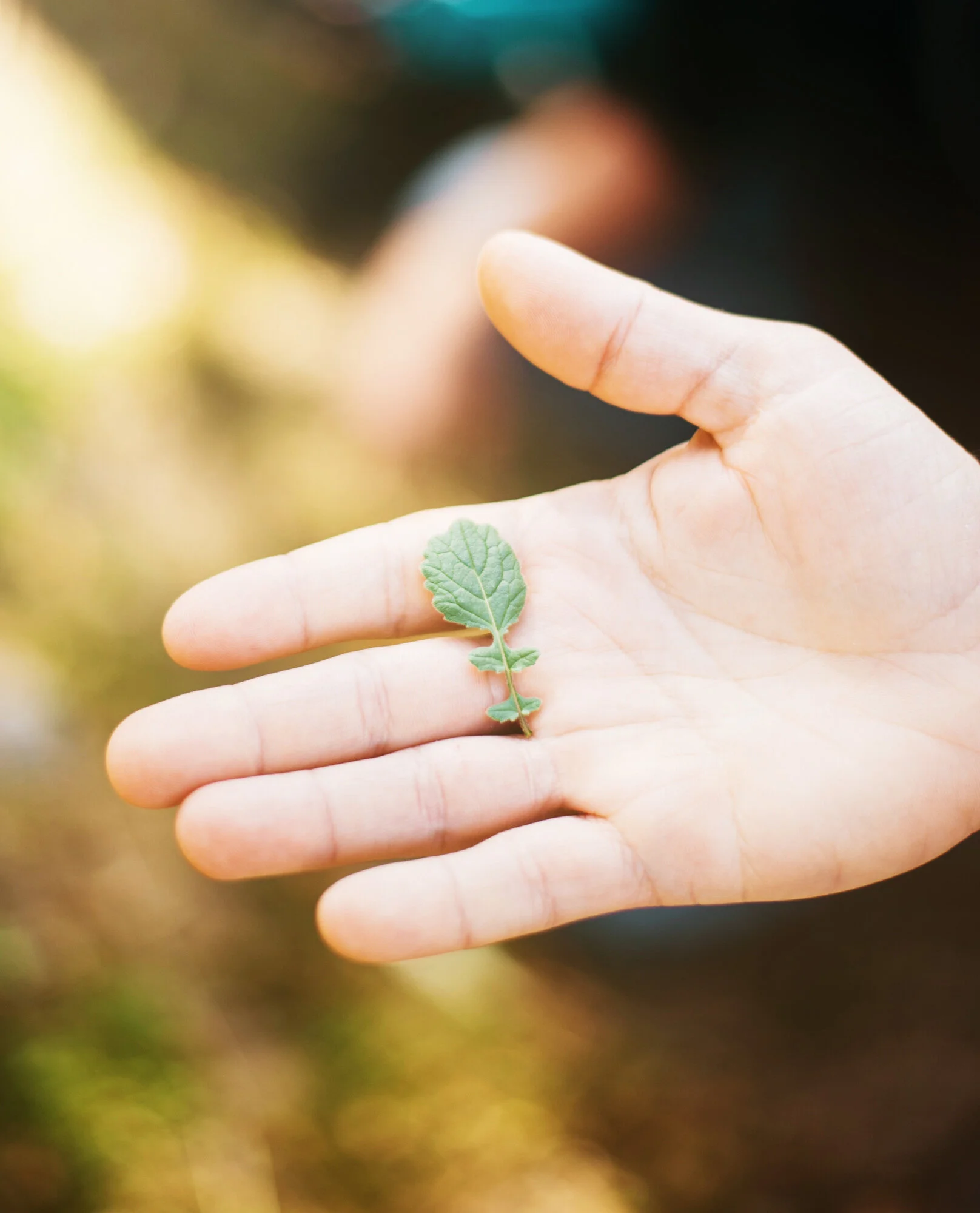
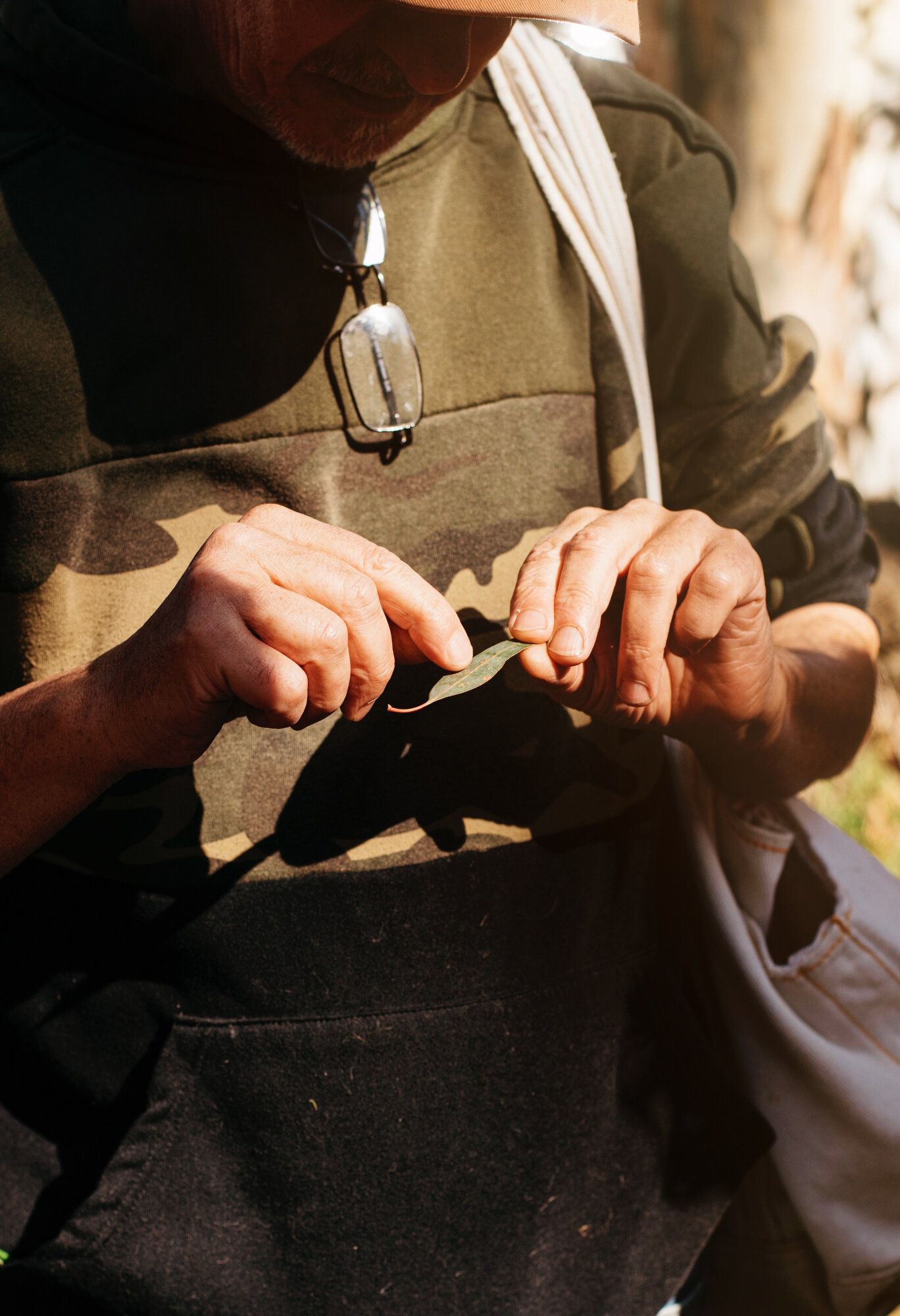
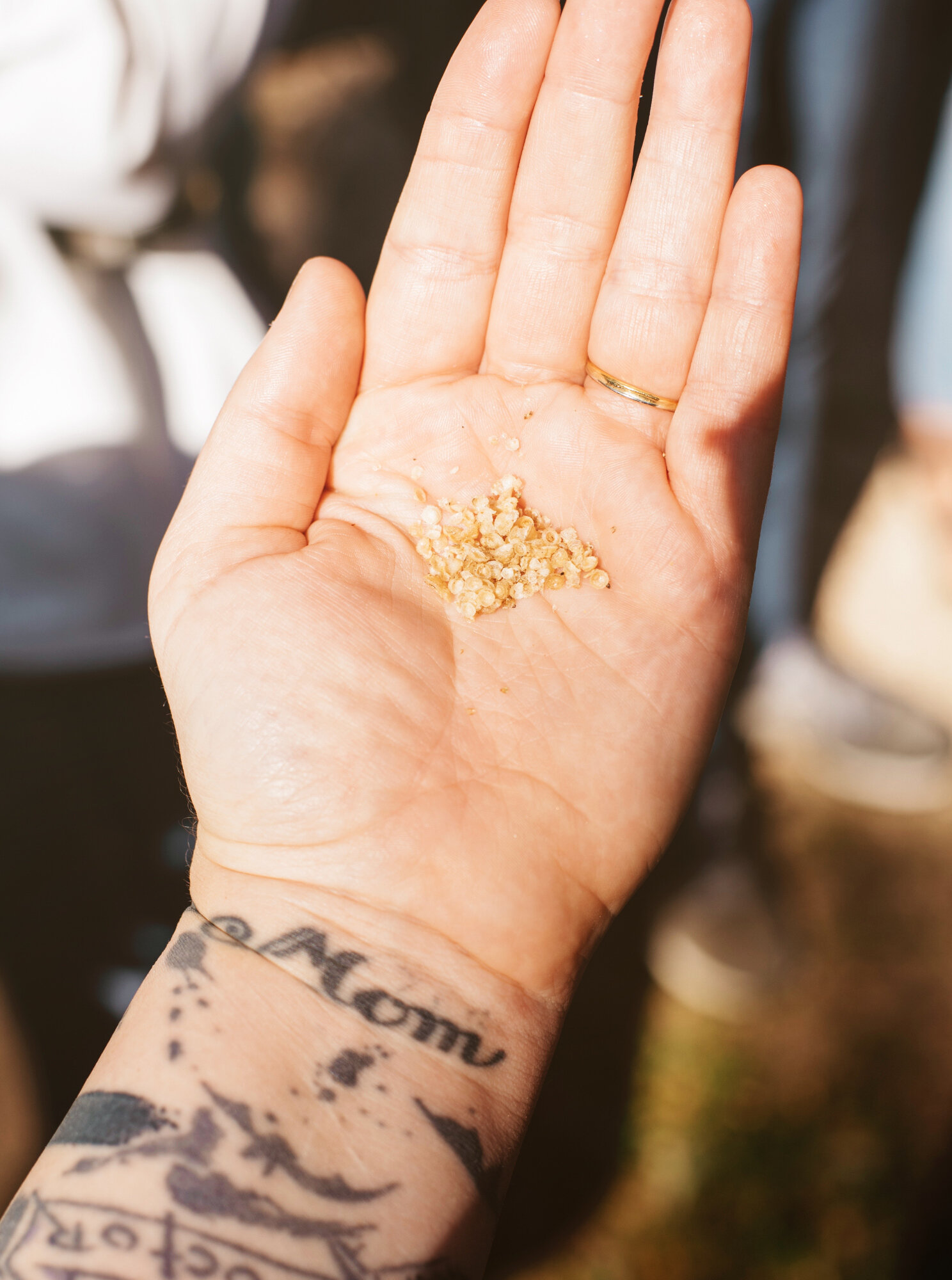
Here he demonstrates an often overlooked source of sugar in the forest- insect honey dew. This sugary encasement is secreted by tiny aphids on the underside of leaves. It is possible to harvest this and use as a sugar element and is the crunchy consistency of Rice Crispies!
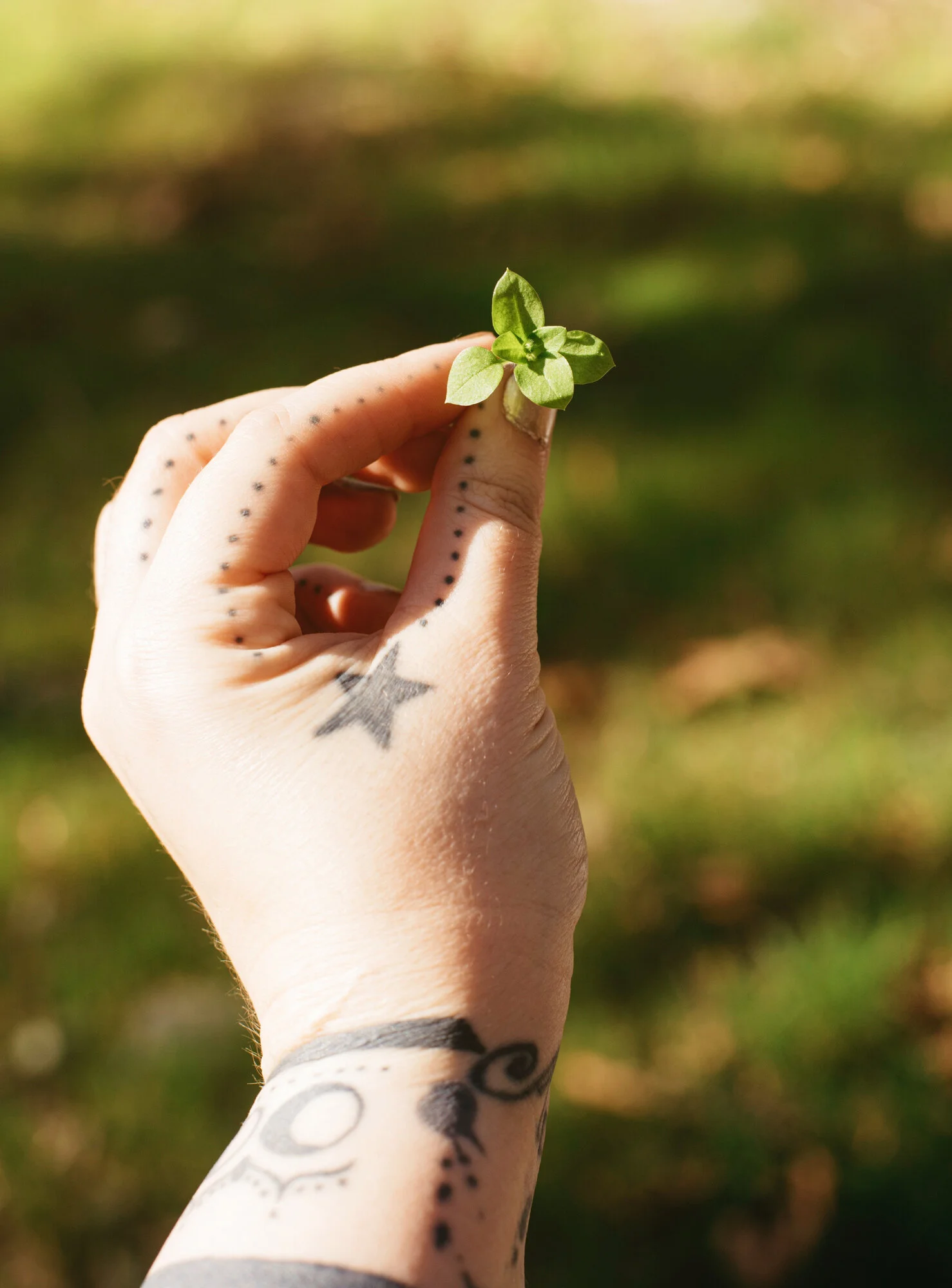
Chickweed- an invasive species to North America is more nutritious than Kale and generally discarded or sprayed as a weed. It’s identified by pointy leaves that grow opposite one another in 90 degree angles. Not to be confused with it’s look alike - the non-edible Spurge which has rounded leaves and oozes a white sap when you break the stem.
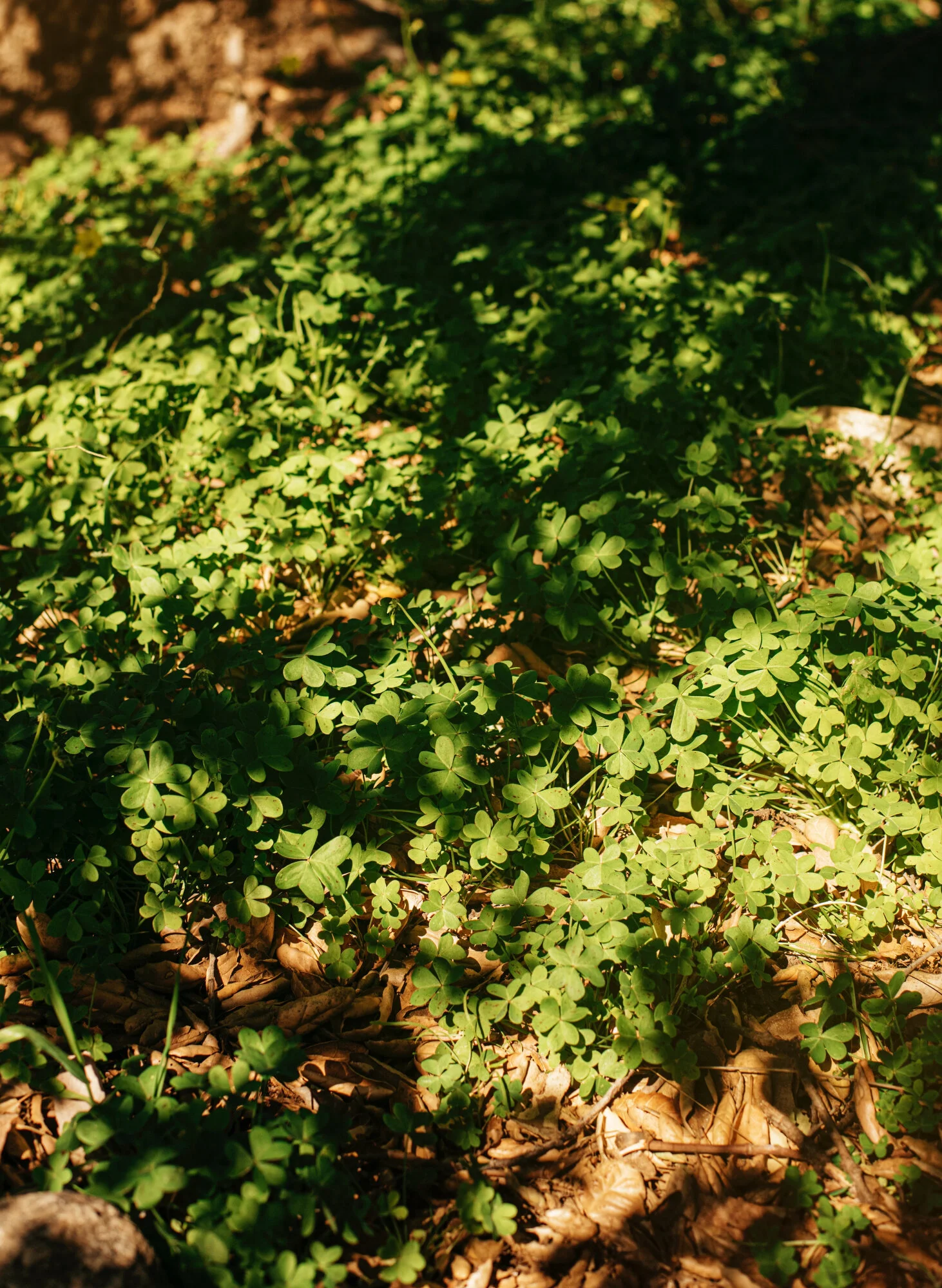
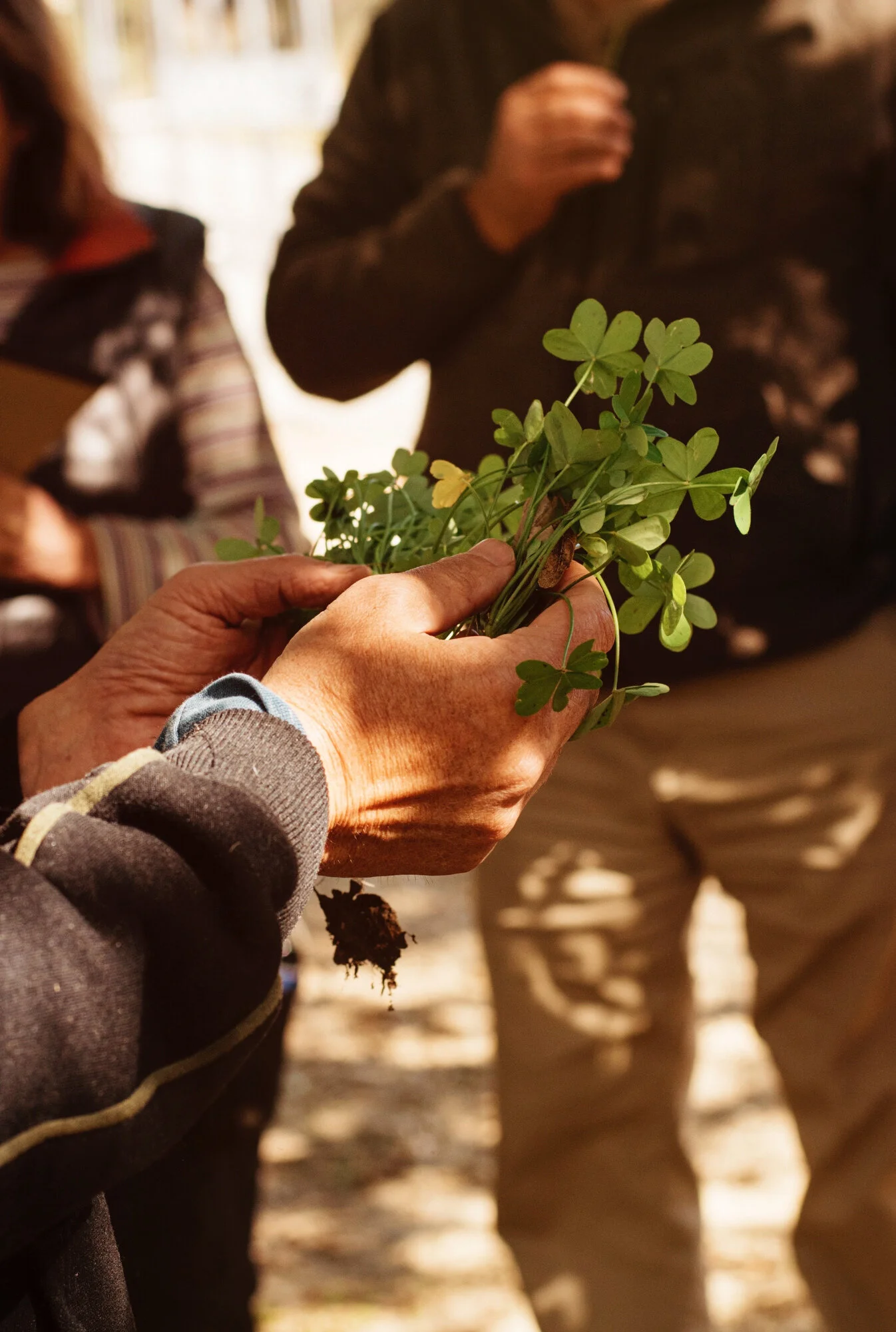
Oxalis- another ground covering plant has a super vibrant shocking taste like fresh lemon, but a very large amount can cause an upset stomach due to the presence of Oxalic acid.
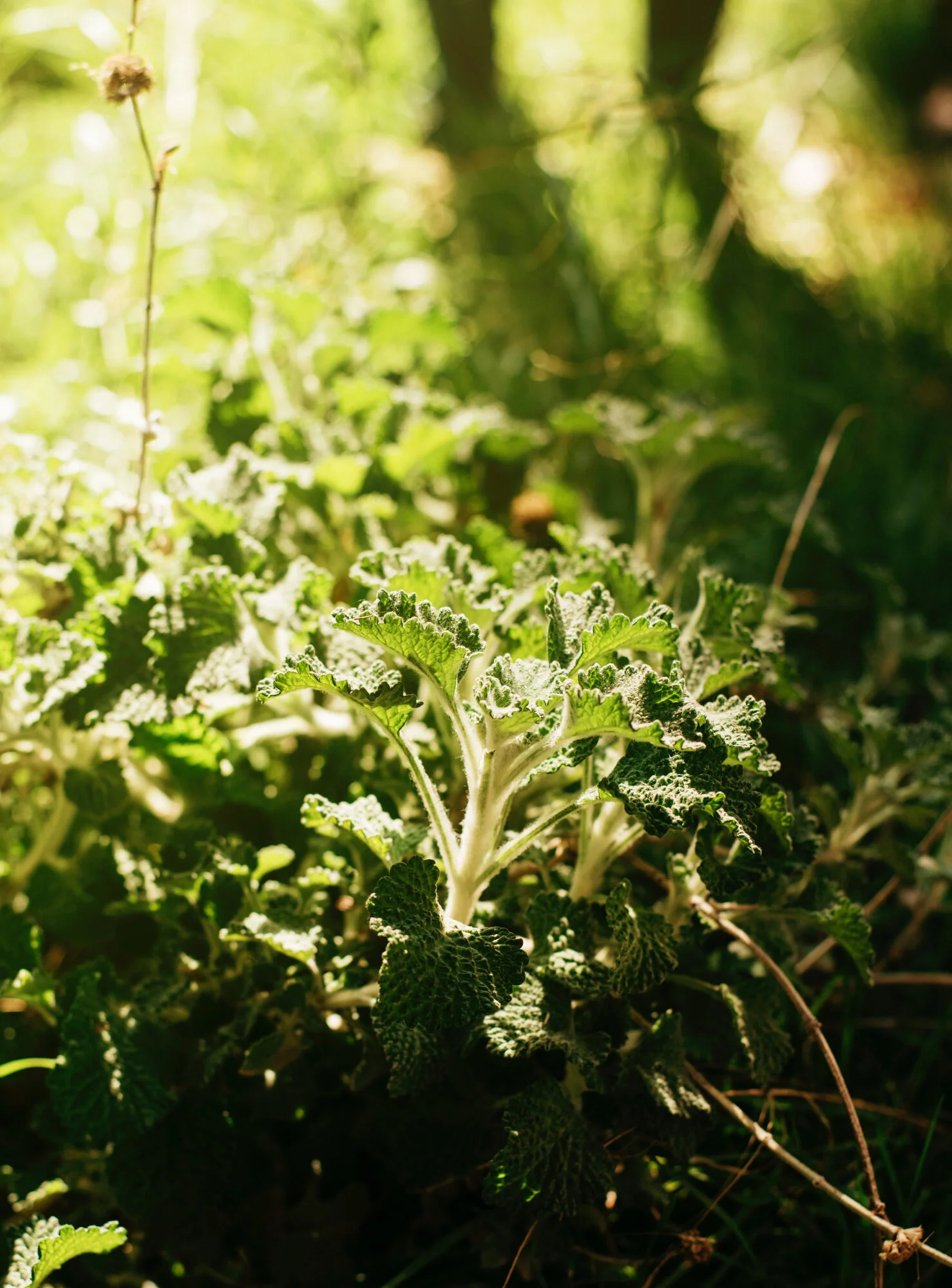

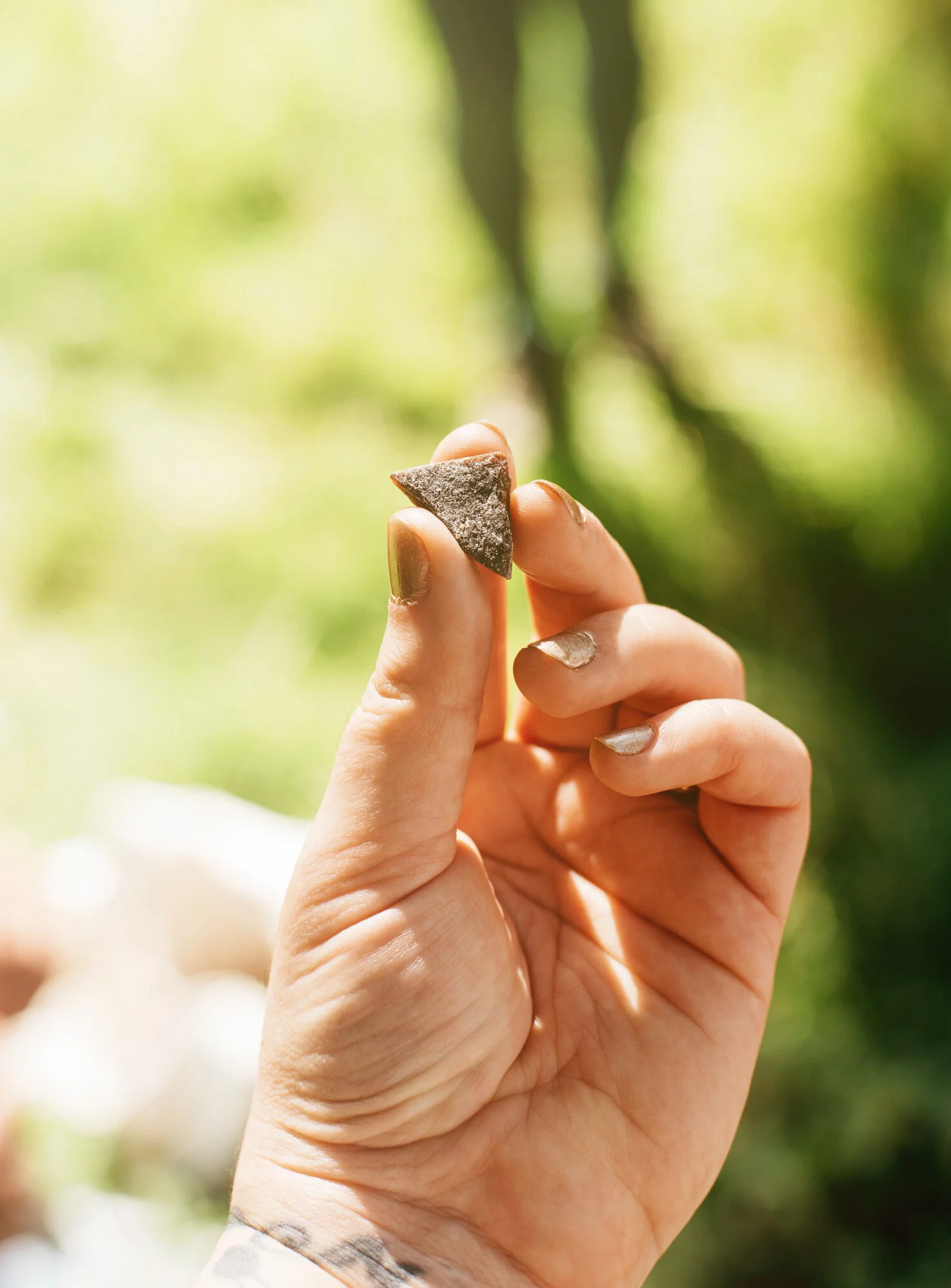
Horehound and Pascal’s homemade horehound candy! Horehound is a very bitter plant various cultures site with medical benefits. Commonly used in throat lozenges for when you are sick or often consumed in teas. It has also been used as a bittering agent in beer making!
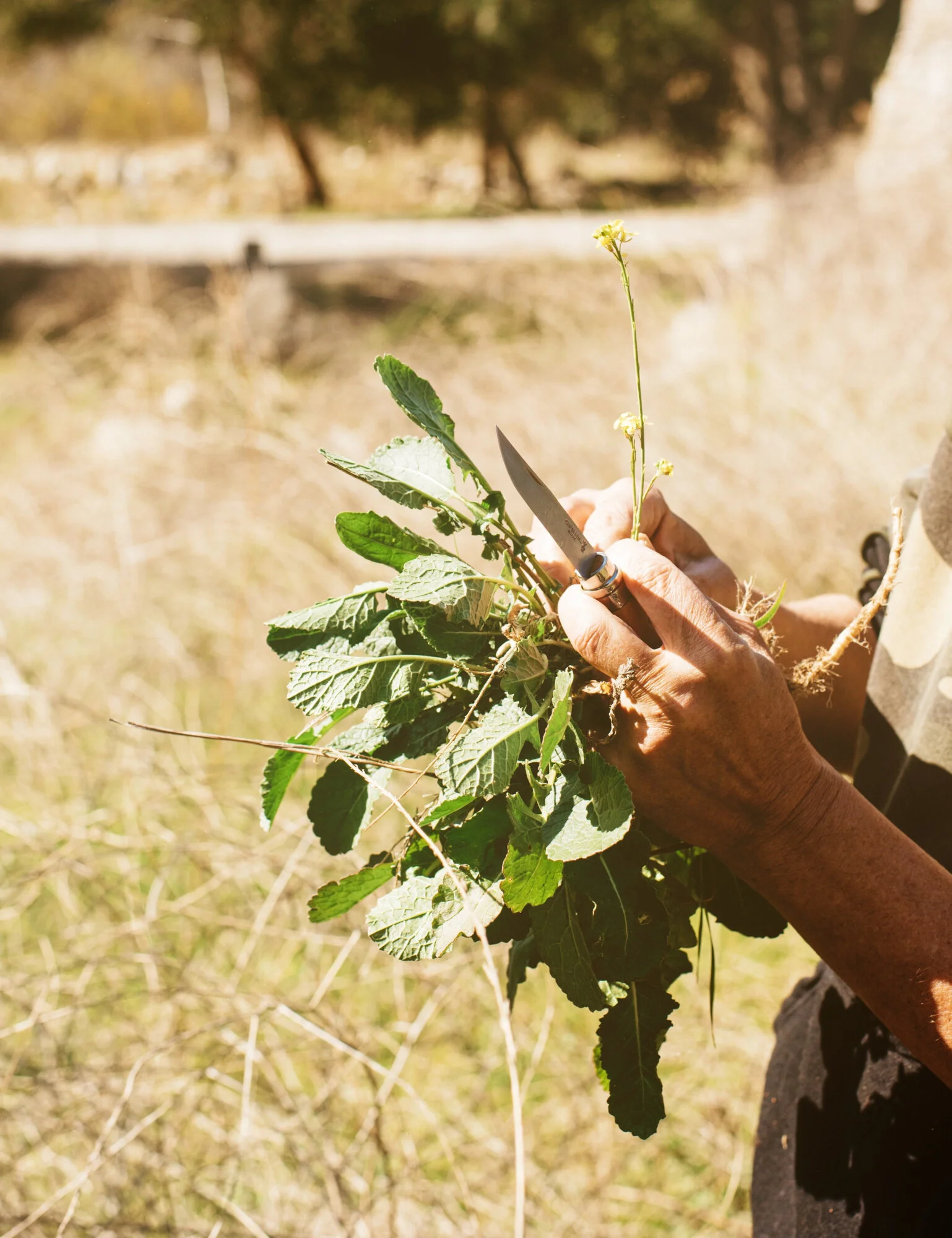
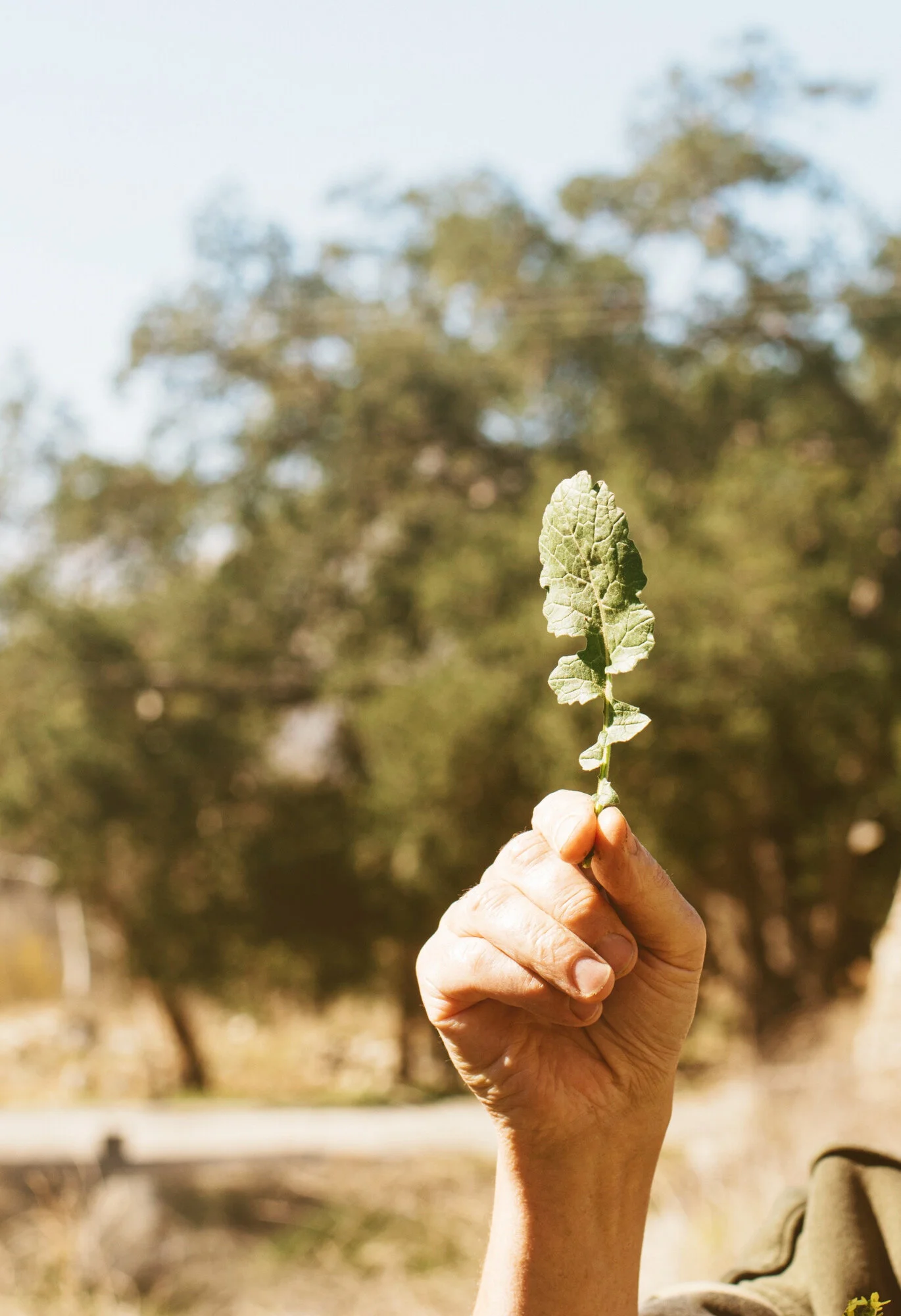
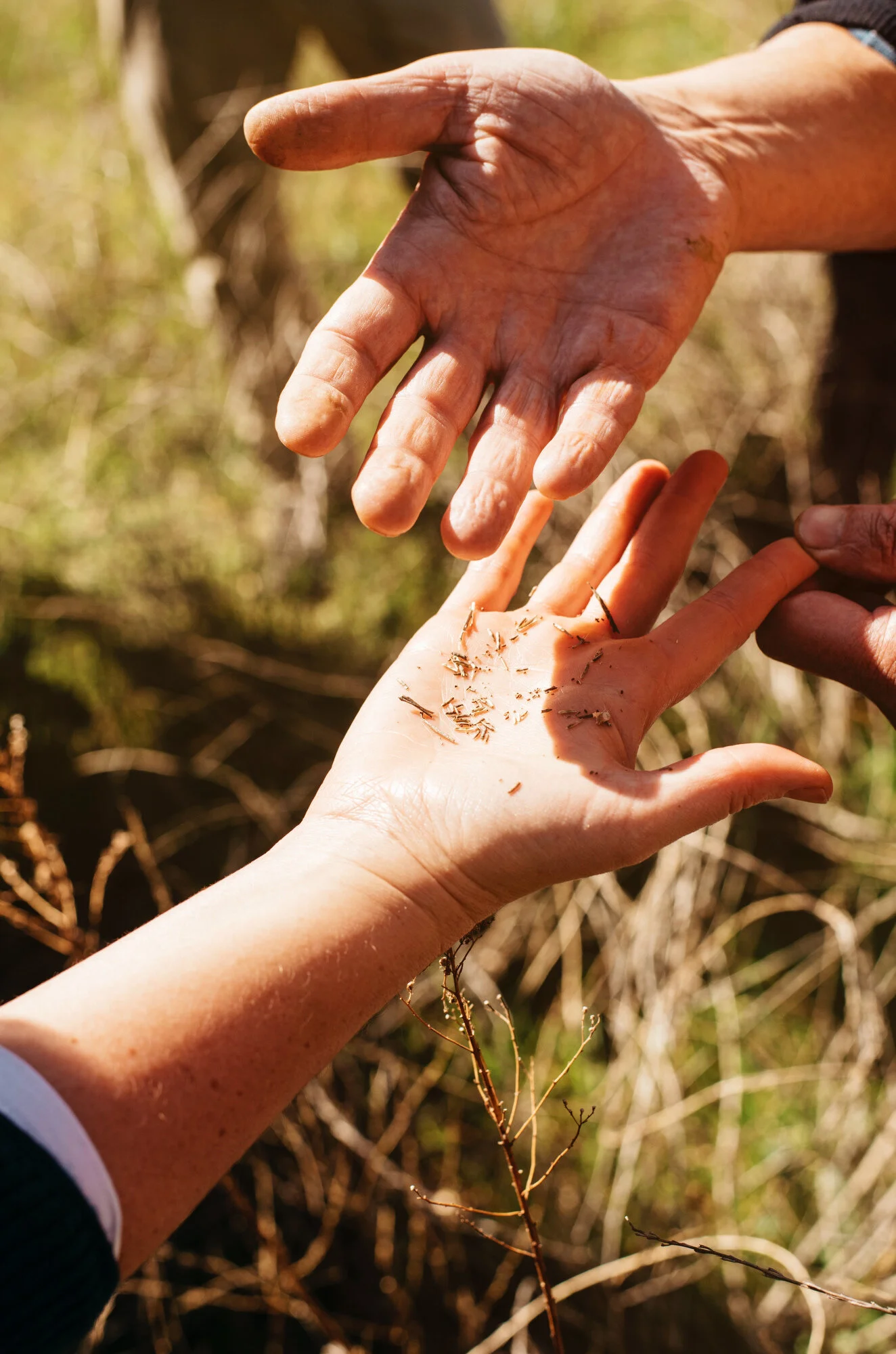
Here he demonstrates one of the most ubiquitous plants in Southern CA, mustard. This plant is Mediterranean mustard characterized by fuzzy leaves and a pretty great joke I’ll let Pascal share with you if you make it out to your own plant walk. The leaves can pack a spicy punch and black mustard leaves can even be used to make a wasabi substitute and of course the seeds can be used to make mustard.
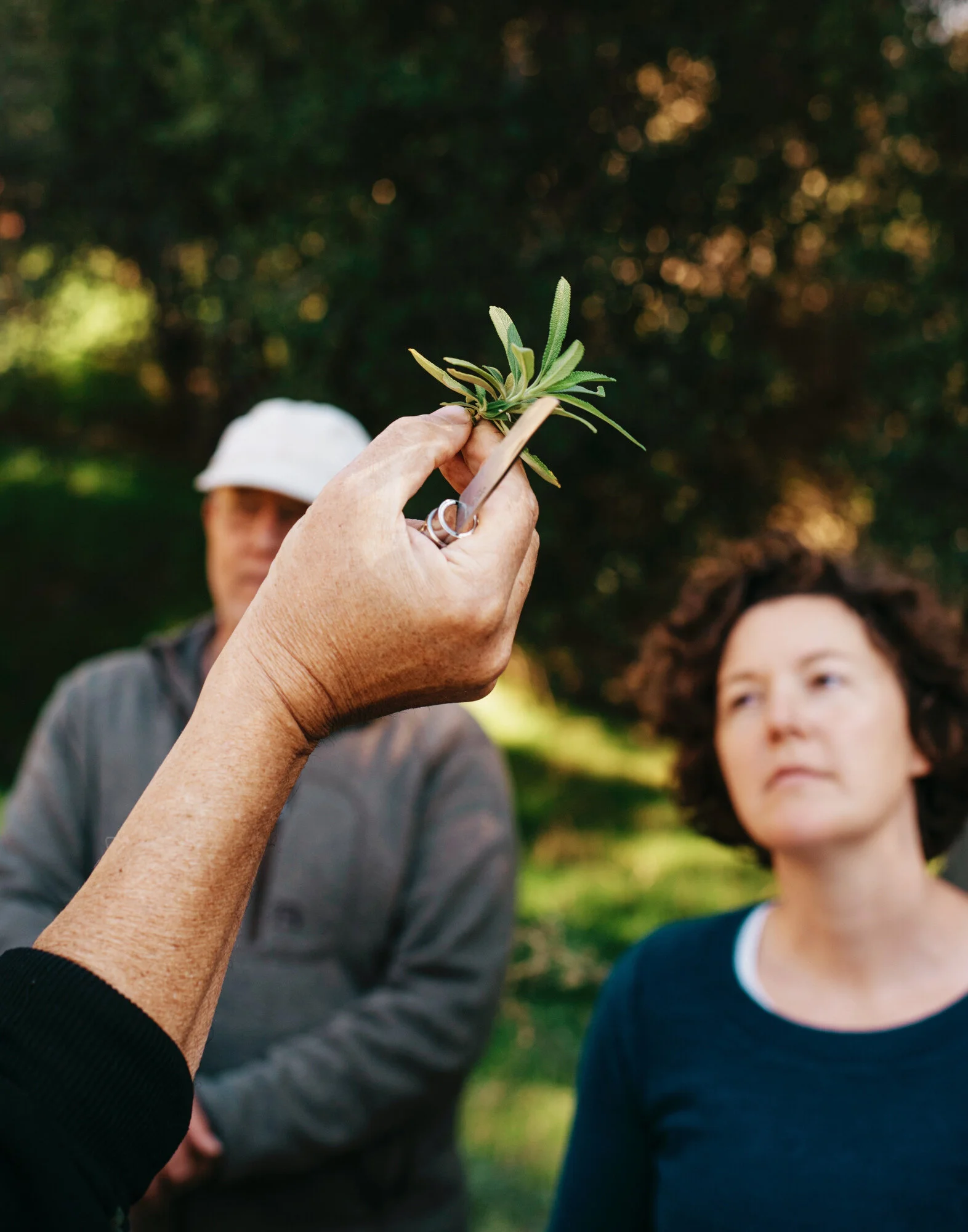
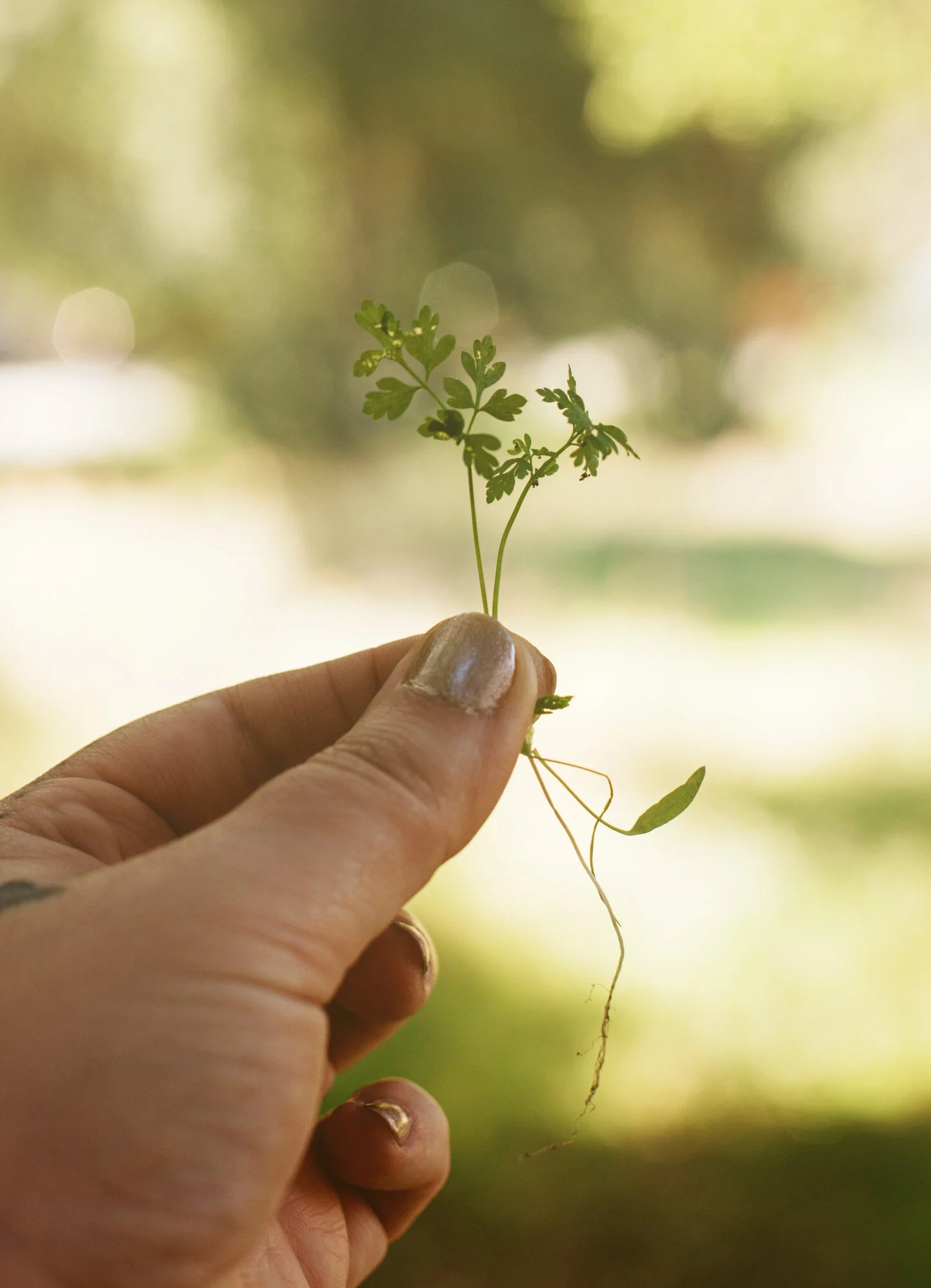
The group learns about black Sage and Bur Chervil among many of the other plants we were educated about along the way. Finally, it was time to end the adventure with a snack and see how these elements could be put to use. Our group members volunteered for tasks and we all pitched in to create an otherworldly spread.
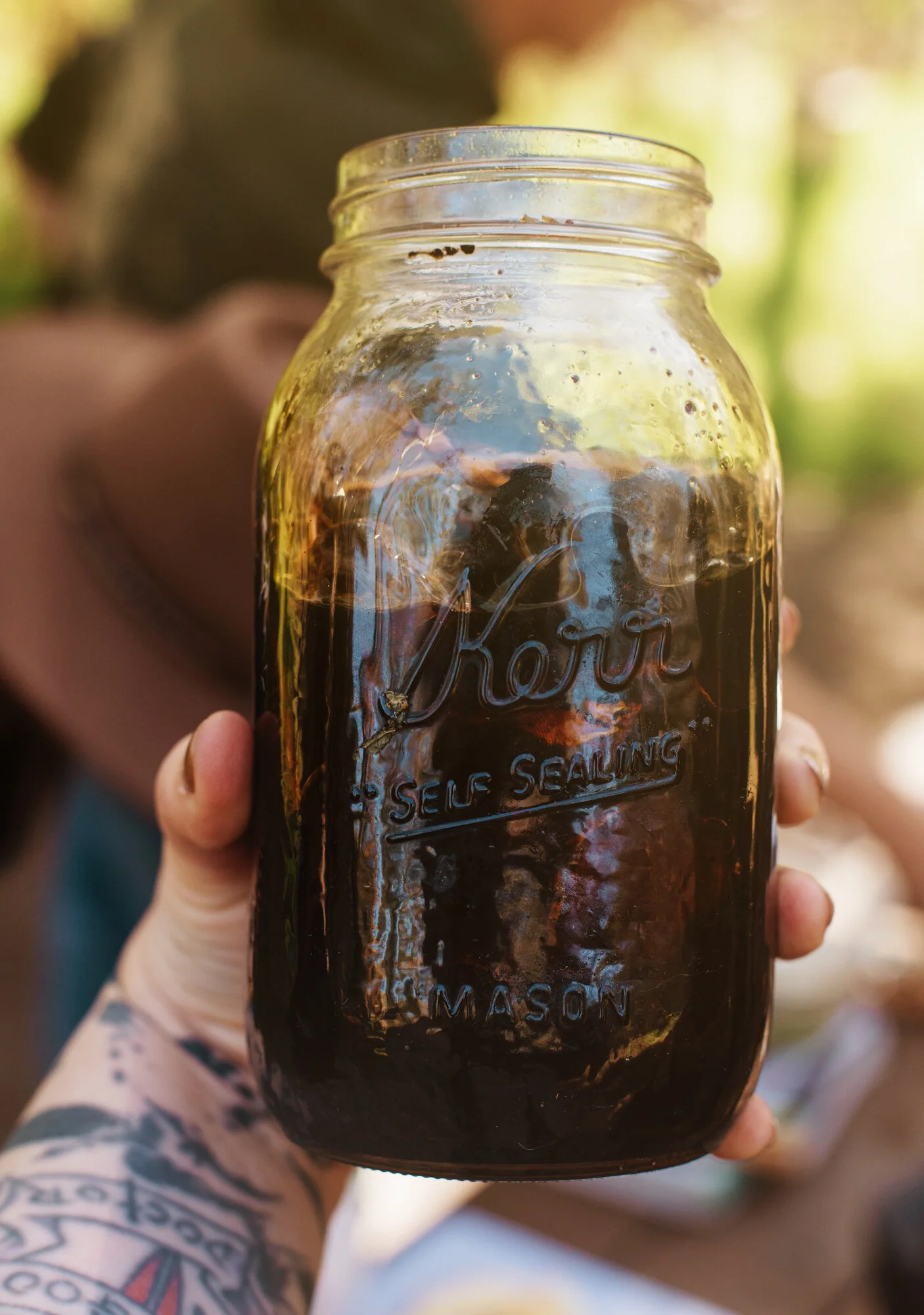
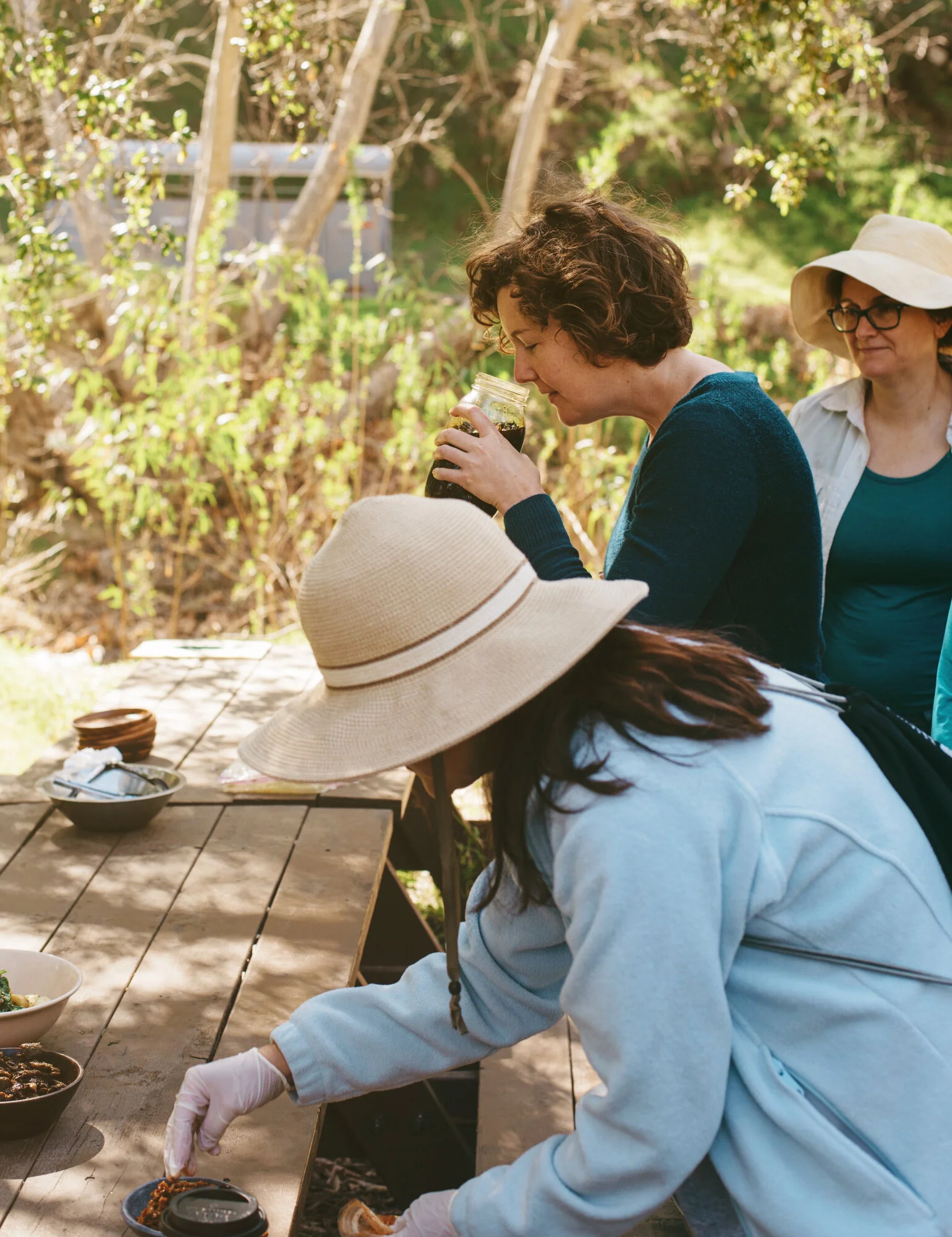
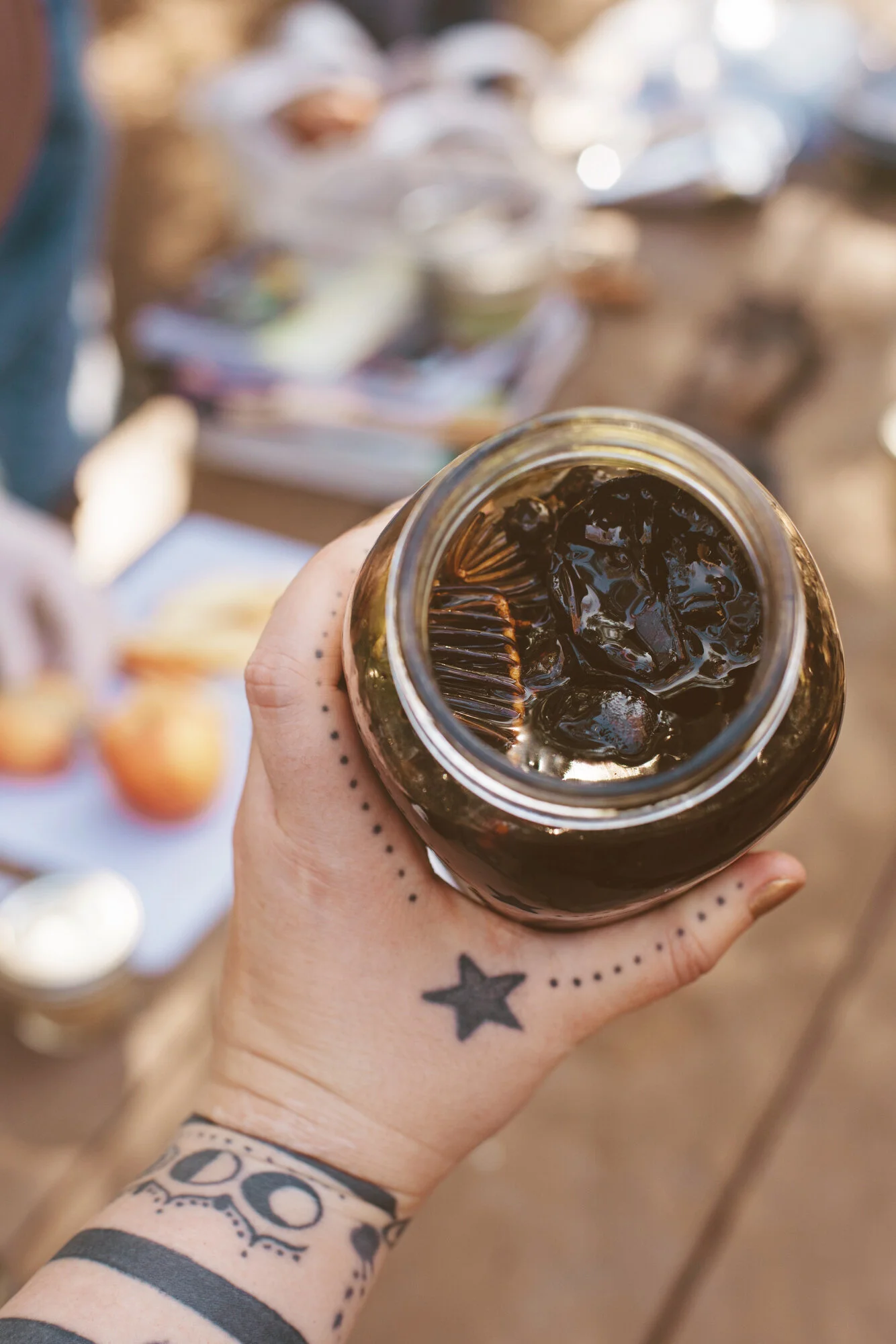
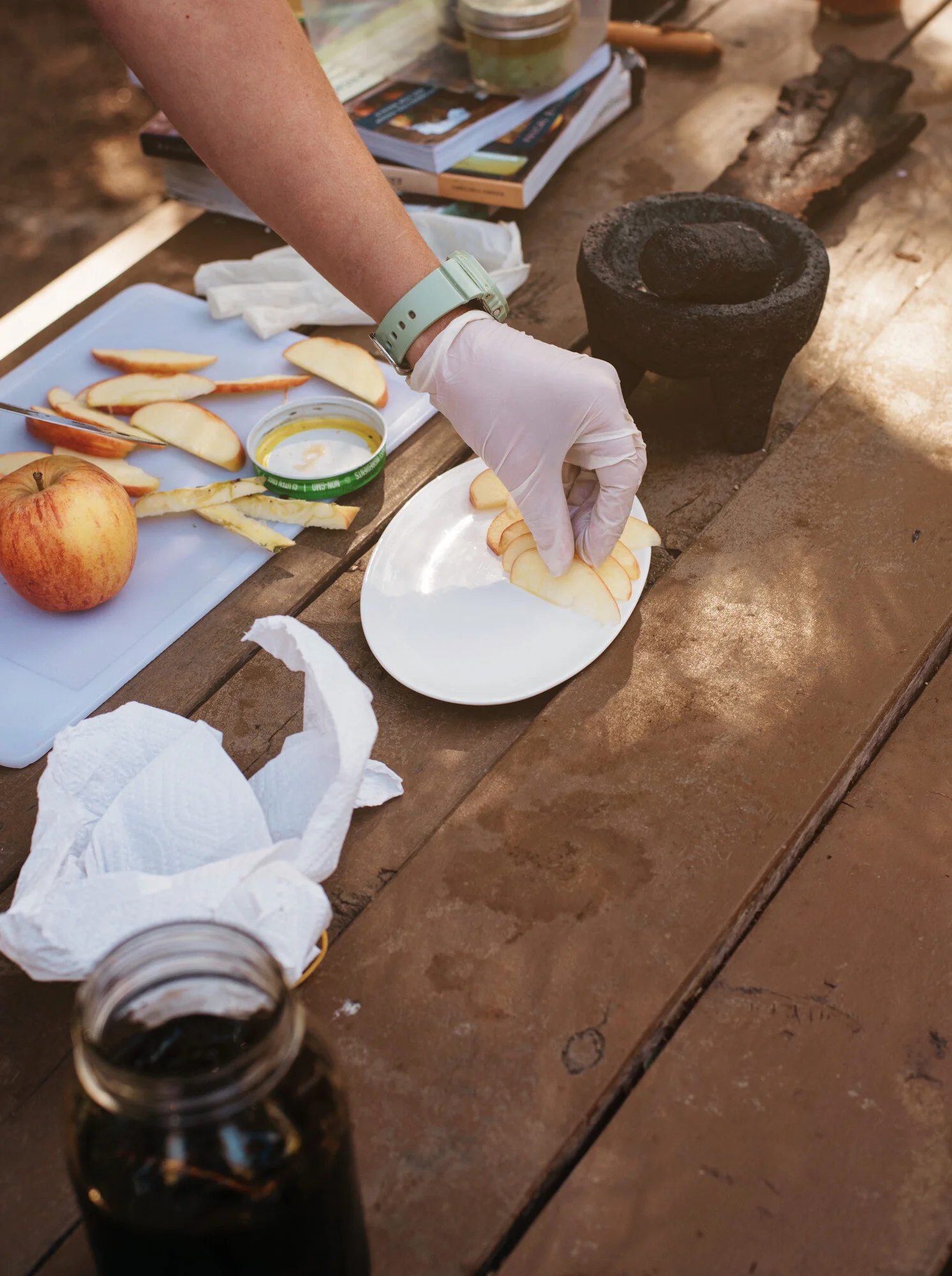
Wild Mountain Syrup- a combination of atmospheric tastes captured in the sticky sweetness of the syrup unlike anything you could experience in a store. He had it drizzled over some apple slices.
Learn more about the syrup here
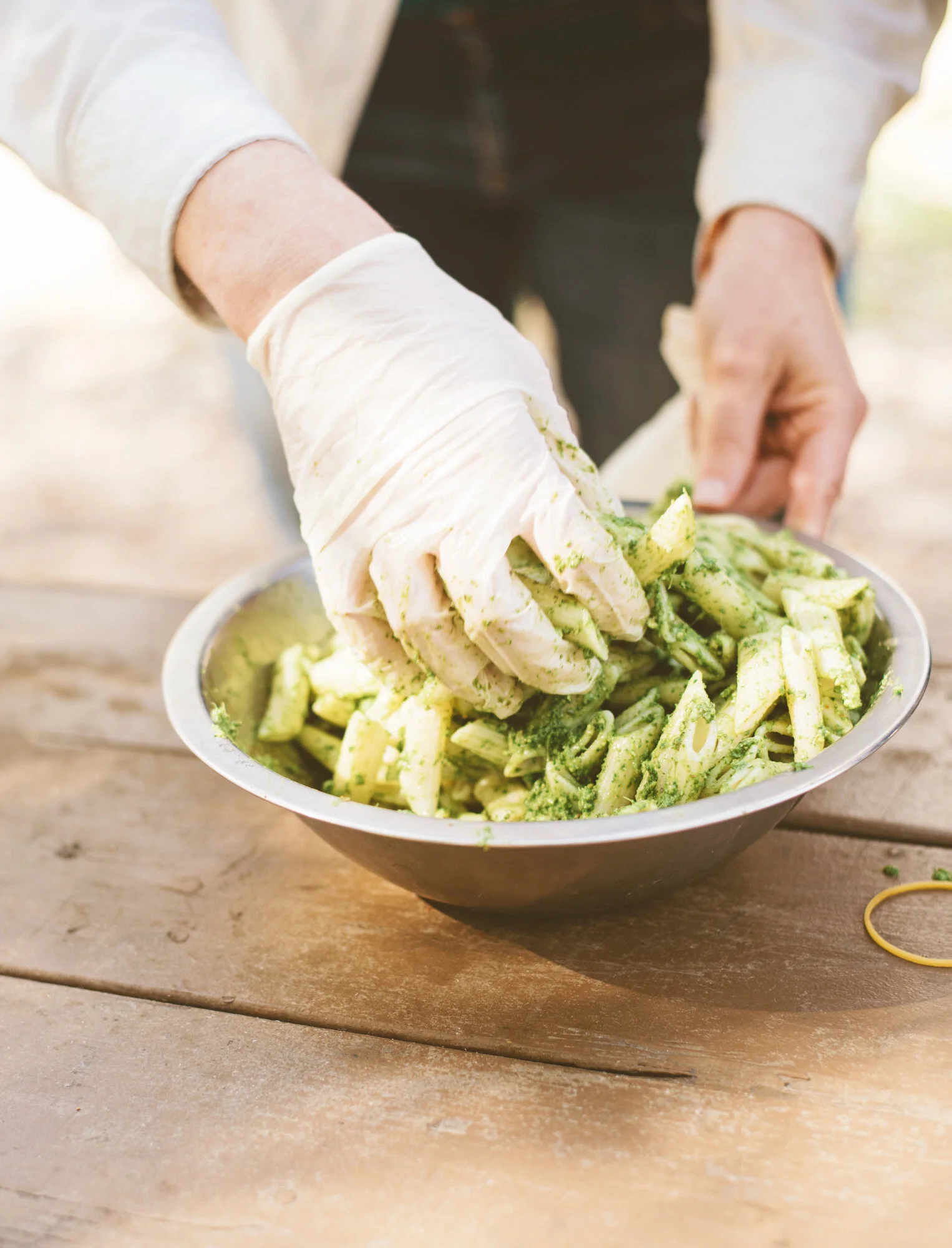
Wild green pesto, created with many of the invasive species seen on our walk.


Oyster Mushroom “sashimi” with a spicey wild wasabi sauce and cheese coated in a wild spice blend with branch toothpicks collected along the way by an intrepid volunteer…
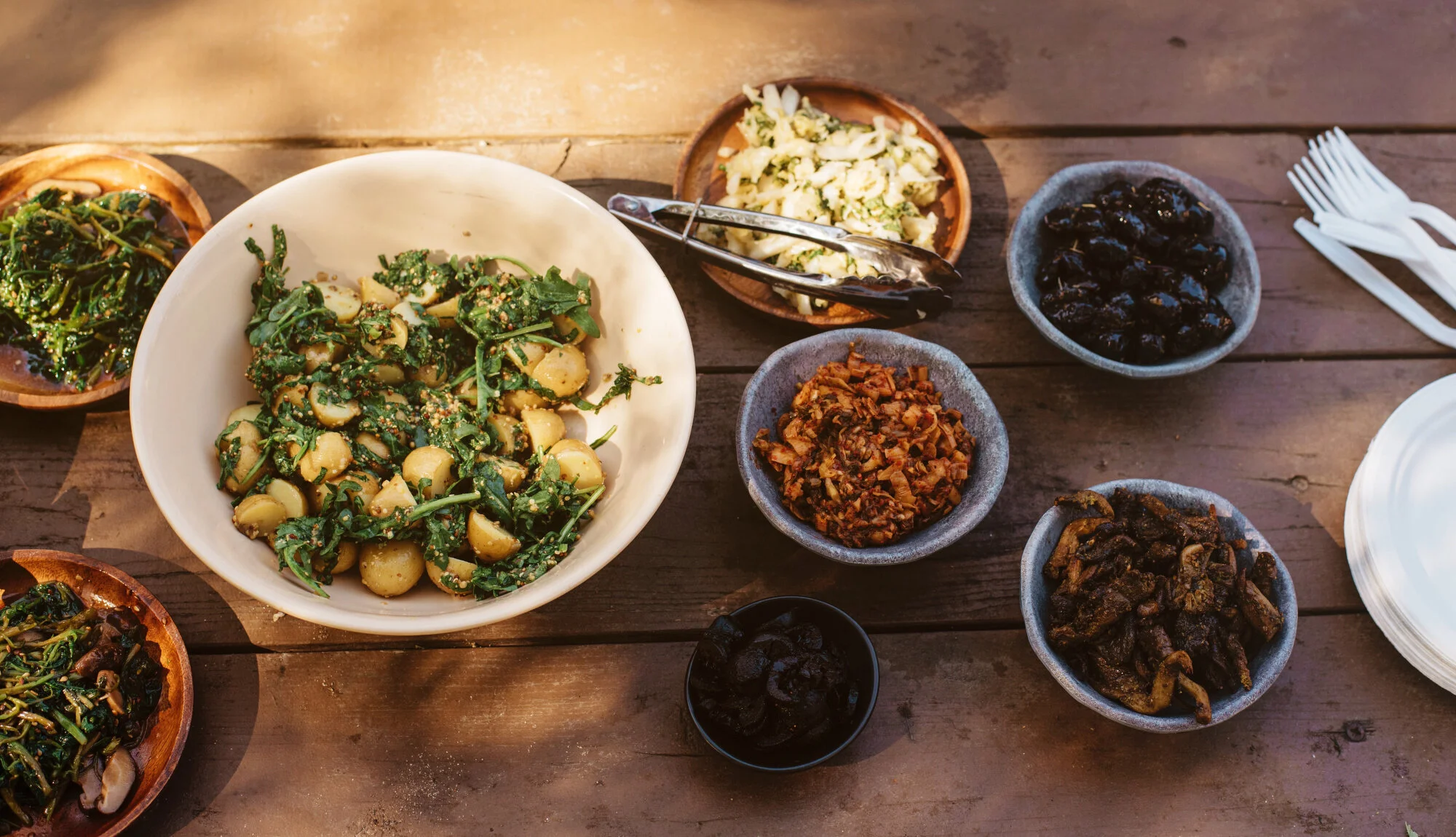
Potato with an invasive + mustard pesto, fermented greens, seasoned and fermented mushrooms, salted local olives, and fermented black walnuts which were packed with a strong Worcestershire taste without using any of the sauce itself…

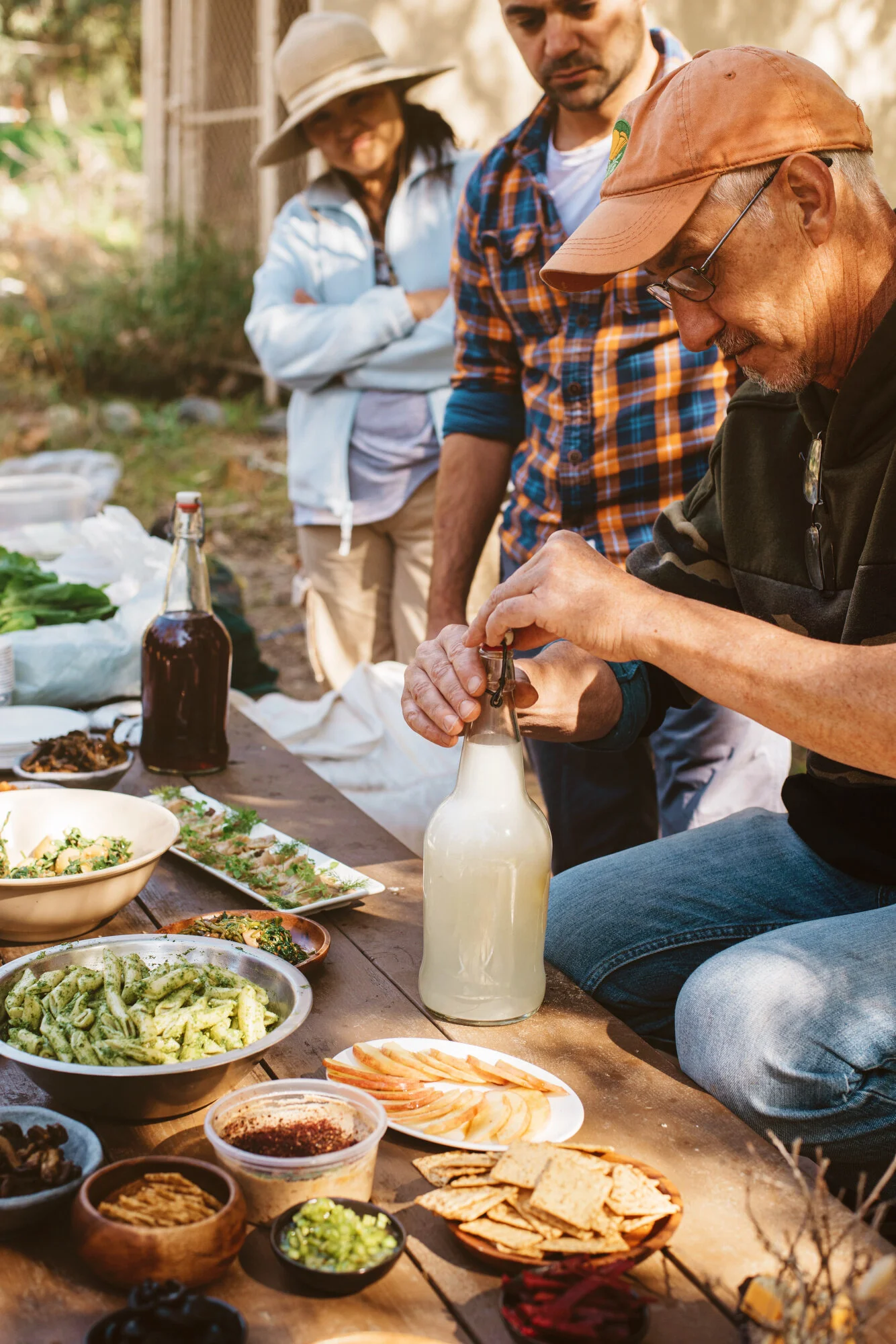
Crackers and acorn hummus, the mountain syrup apples and some fermented stems of something I can’t remember but it tasted incredible. Pascal opens his horehound soda carefully…
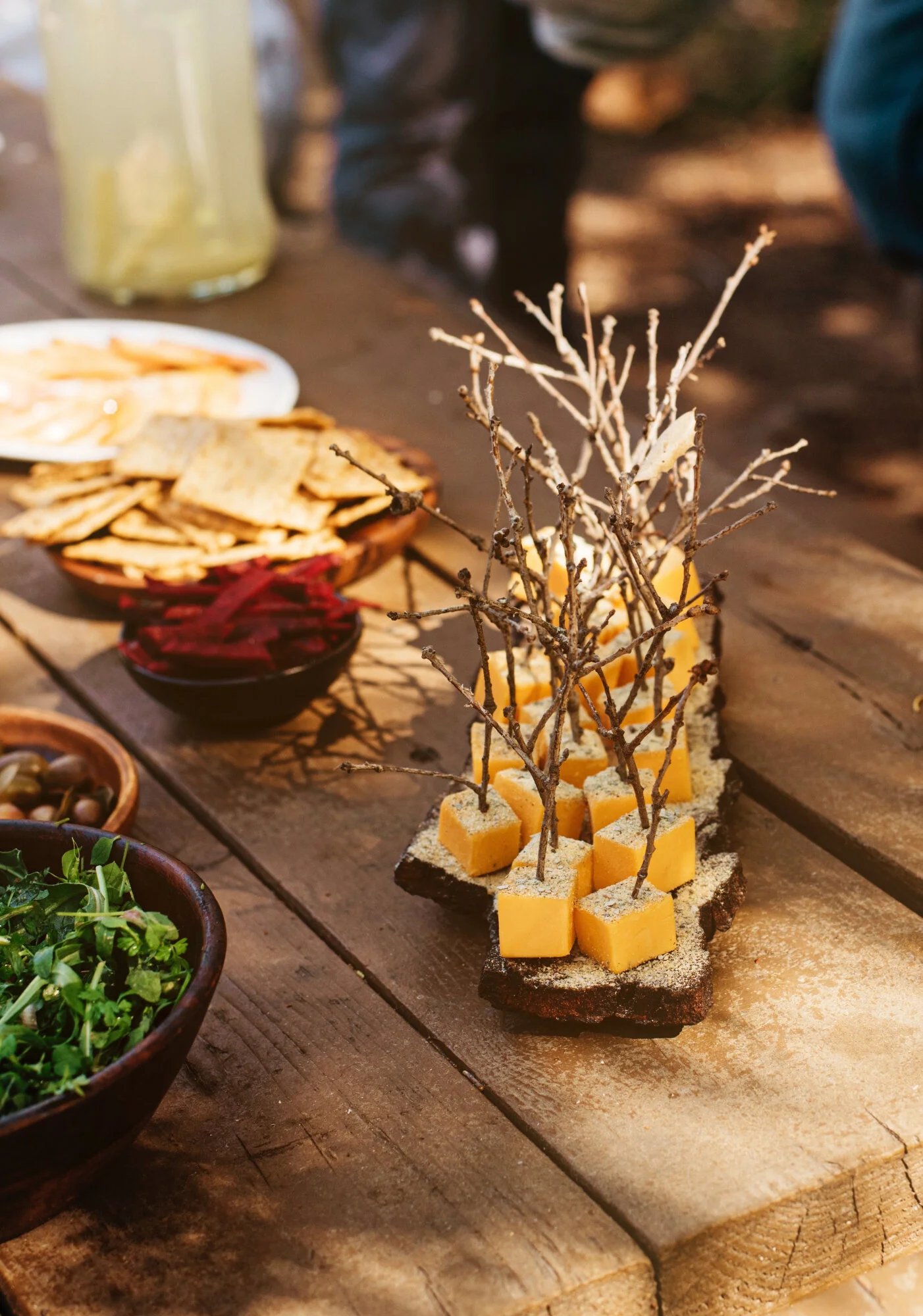
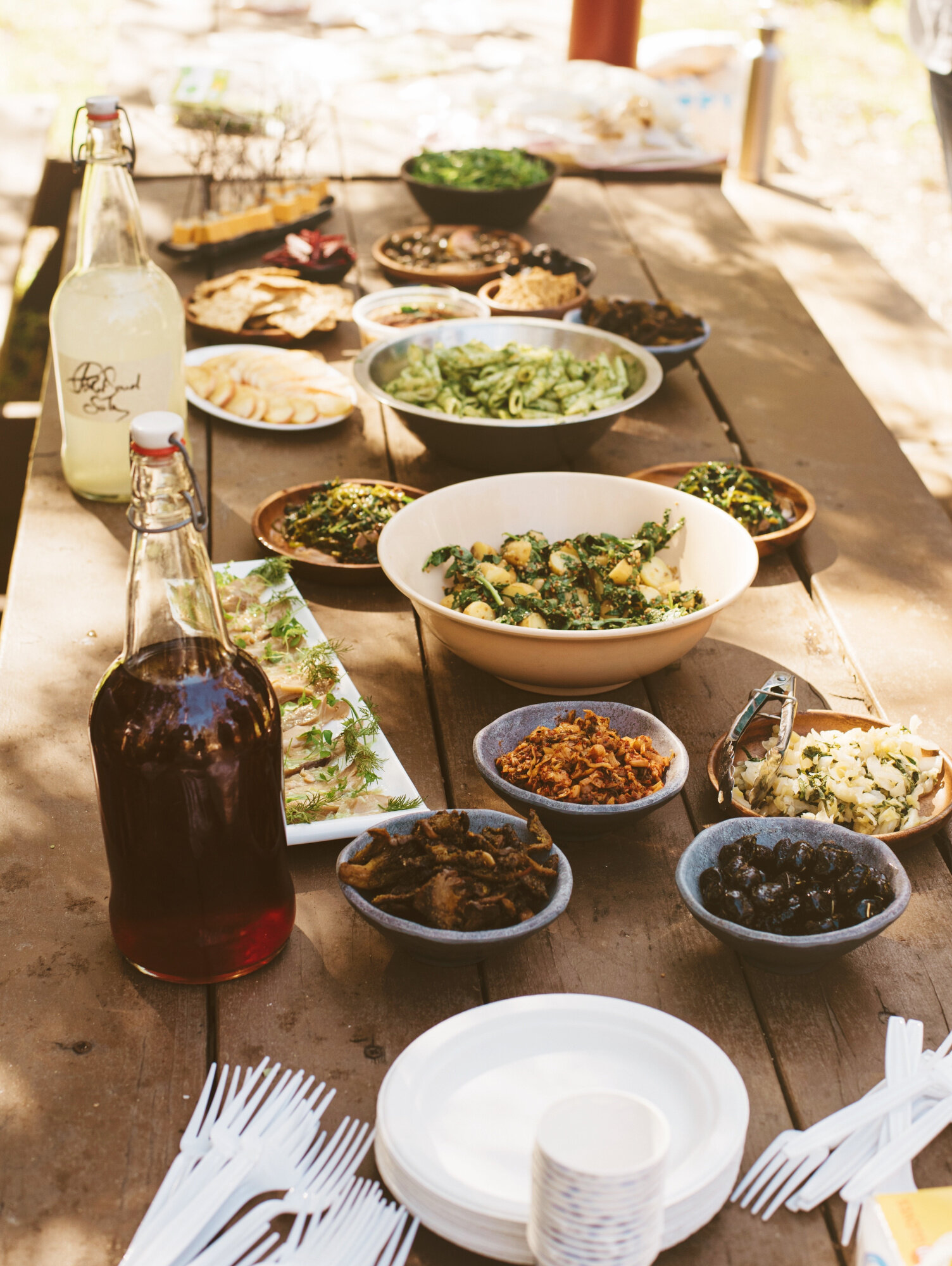
The whole gorgeous spread….
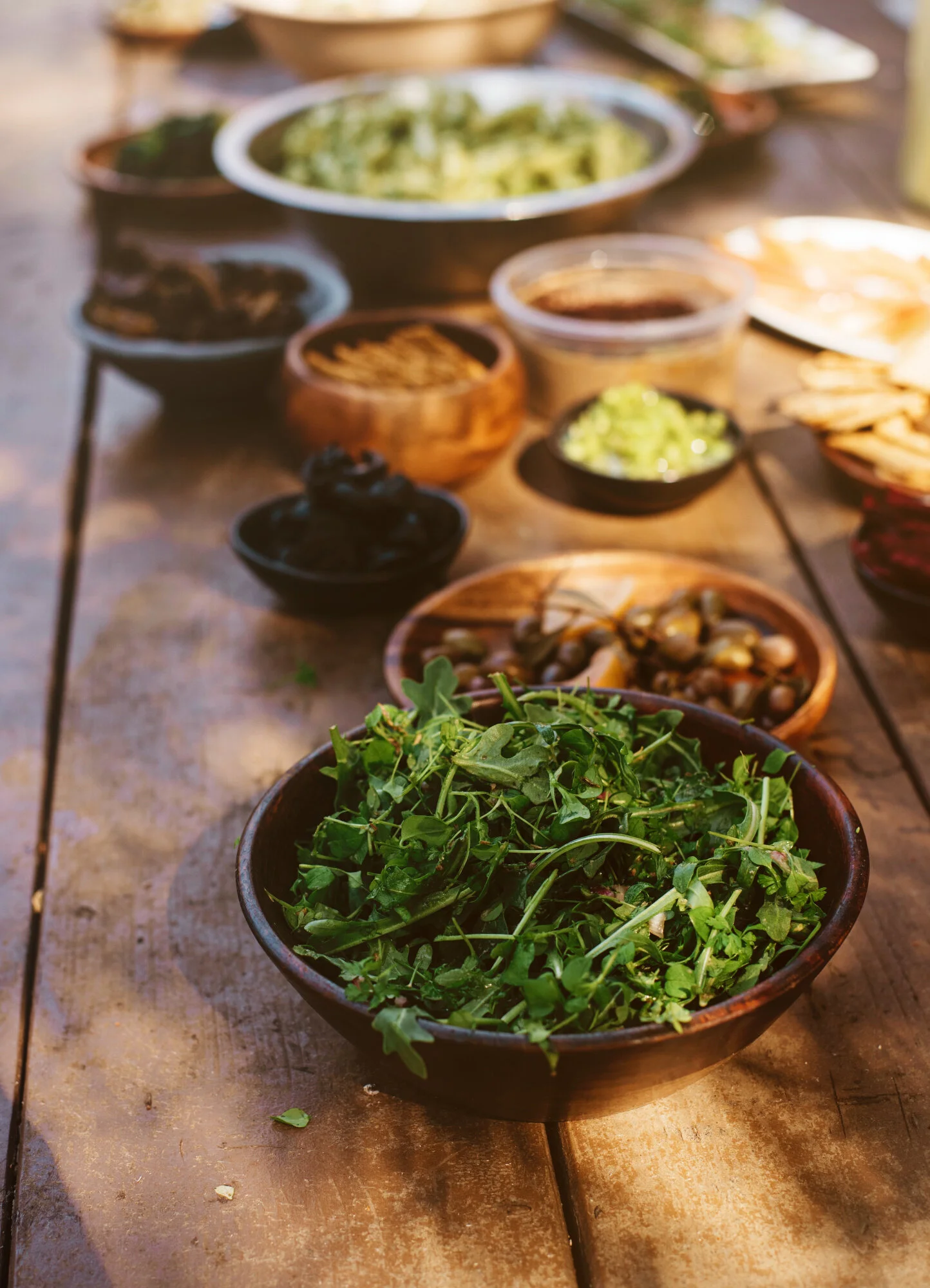
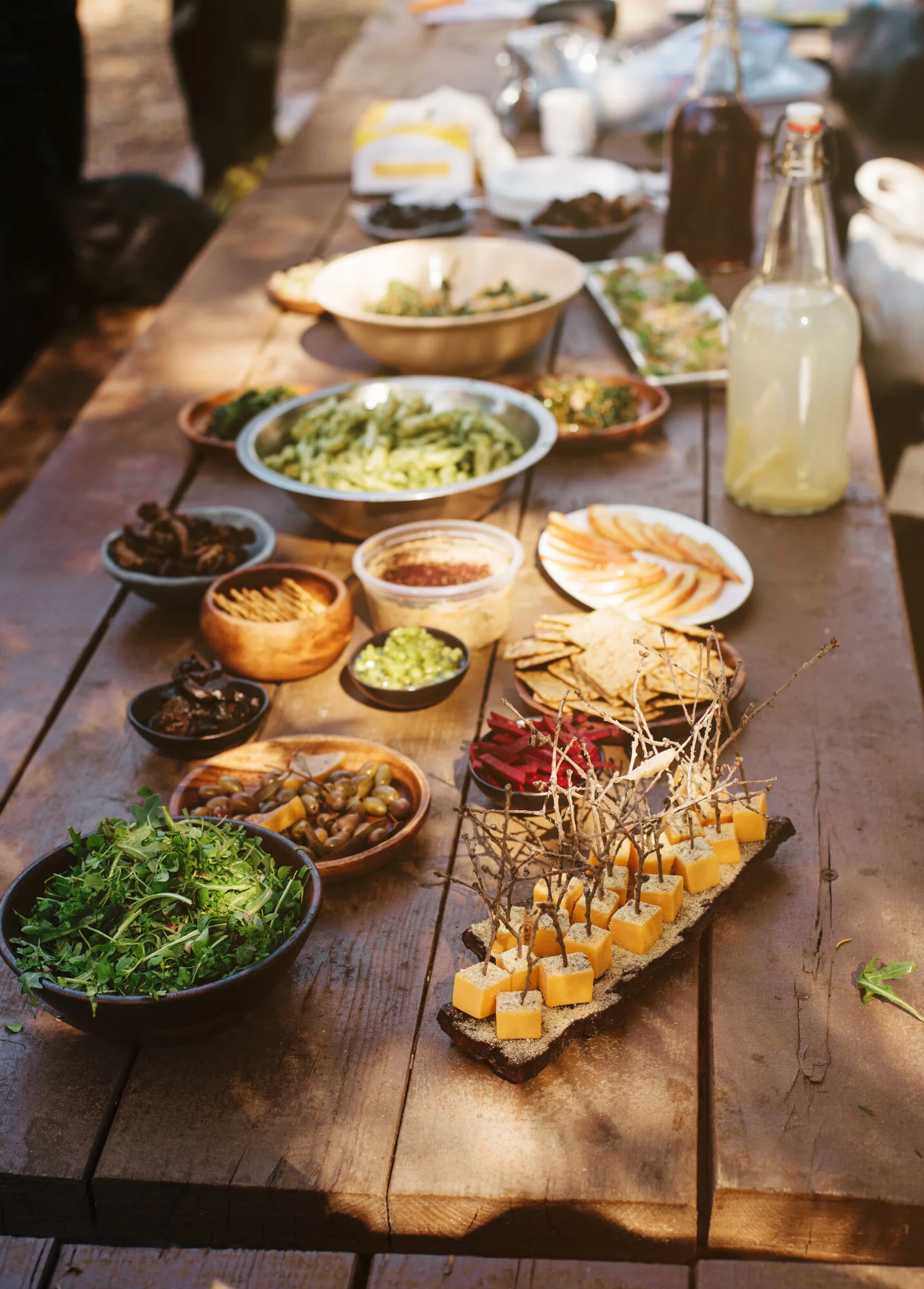
Check out that wild salad! Aside from a handful of arugula it was all plants that would typically not be harvested which all grow abundantly around us, and presented us with a gourmet experience of sharp flavors that would put any Whole Foods box of micro greens to shame. Just this one afternoon with Pascal showcased the multitudes of ways we can reconnect with our environments, create remarkable and unique flavor profiles and have the opportunity to contribute positively to reducing food inequality by learning about the treasures growing all around us that we thought were “just weeds”.
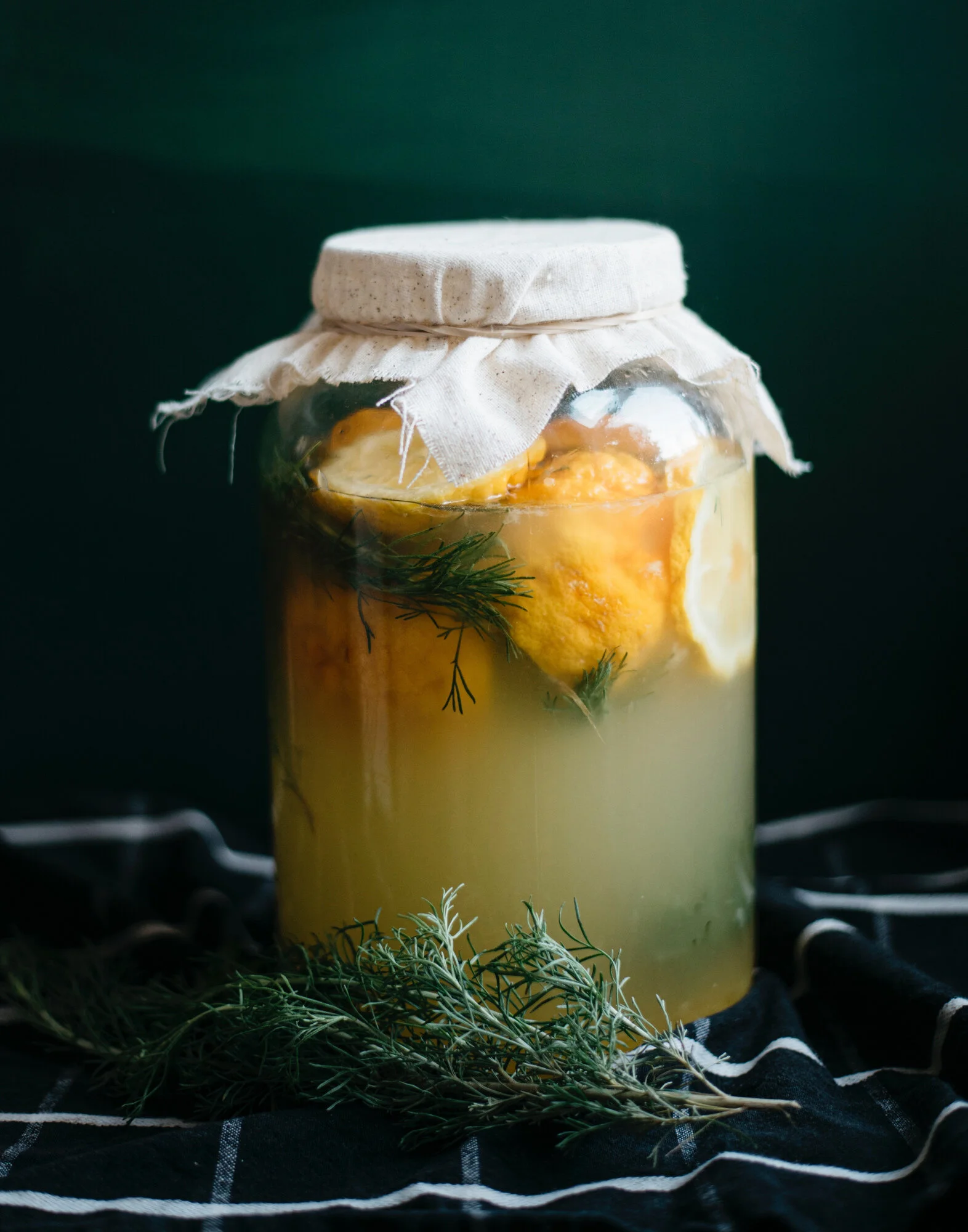
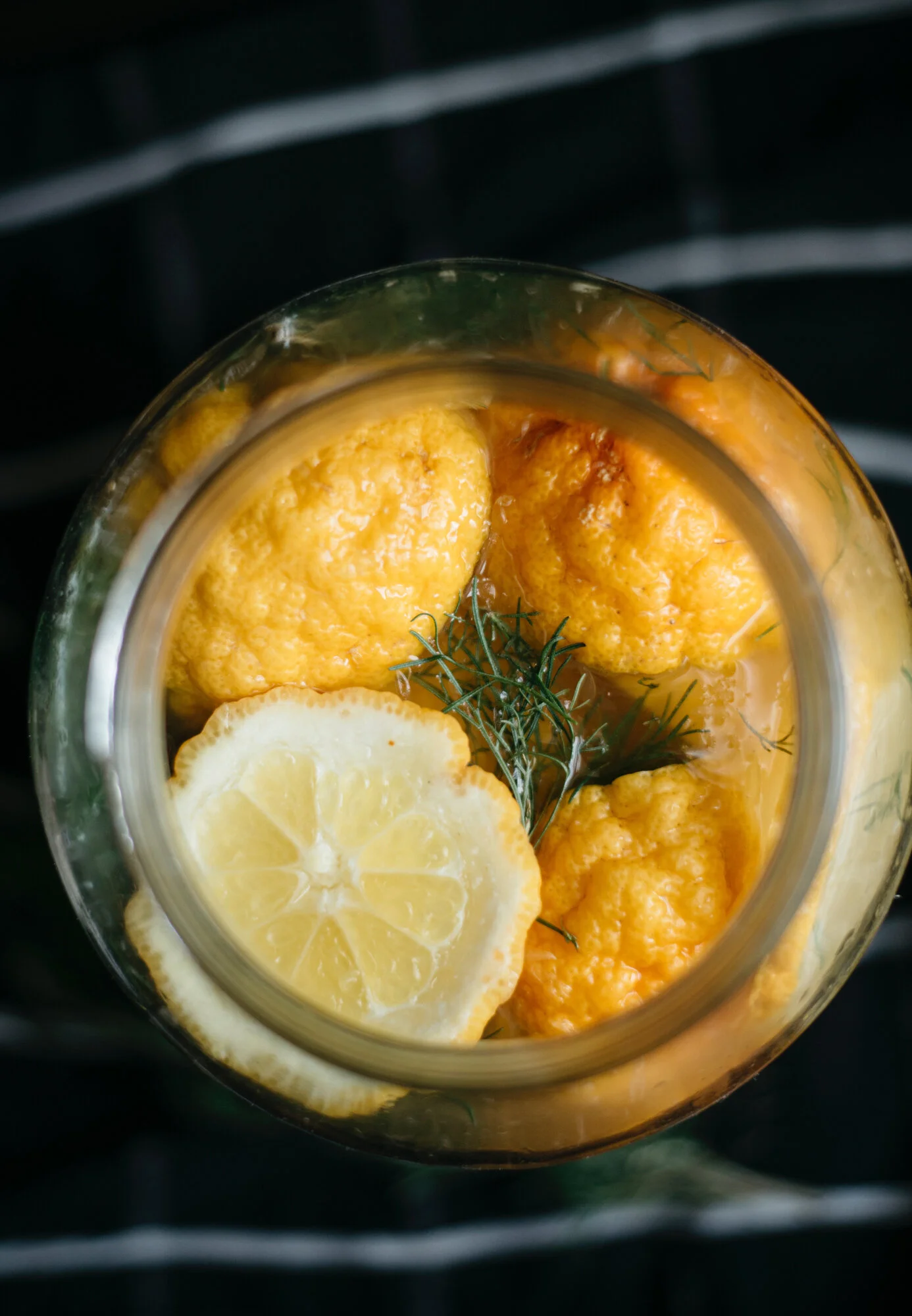
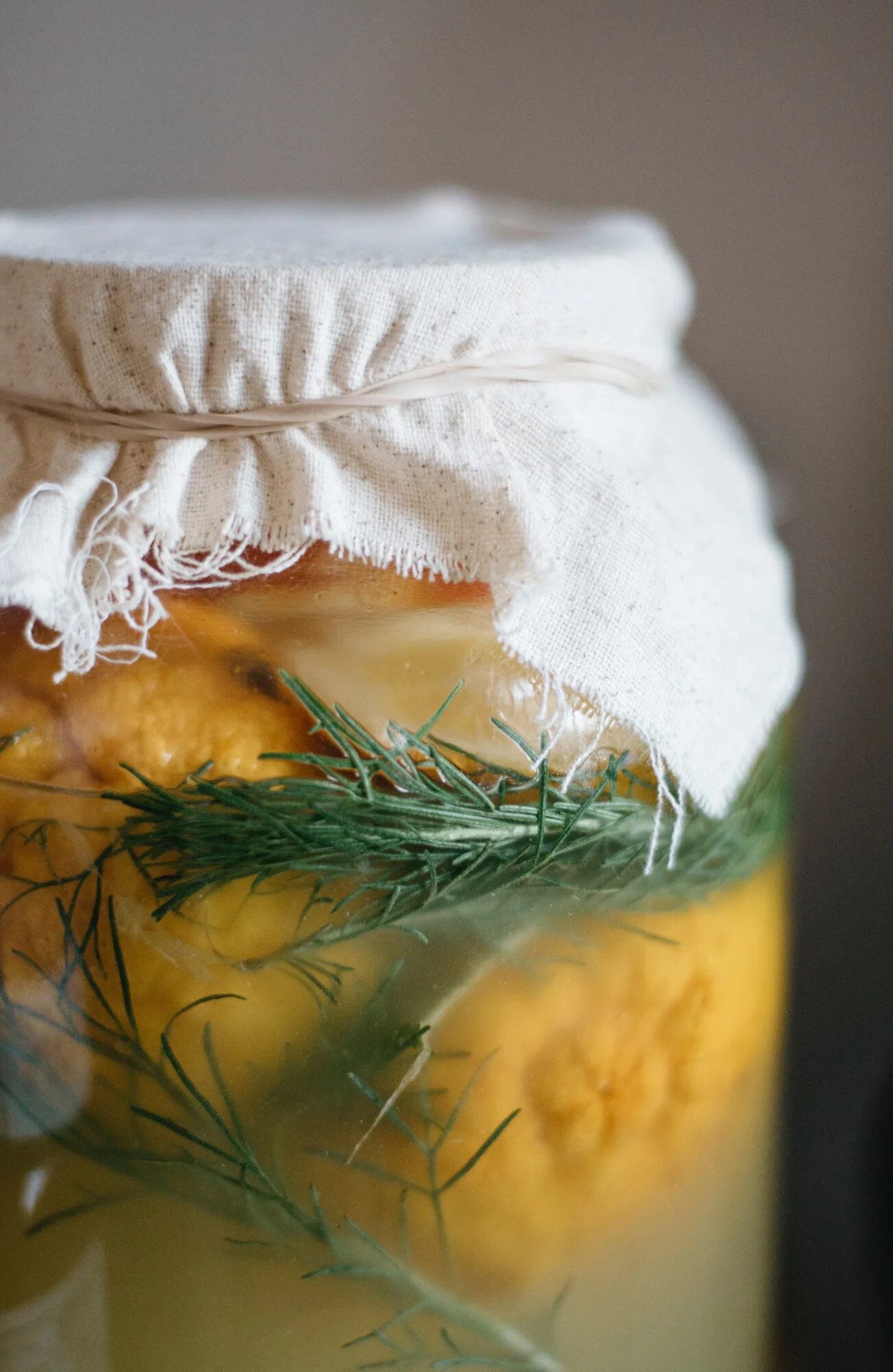
After the workshop before I headed down from the gorgeous, quiet terrain we had been in to the buzzing close quarters of Echo Park, I stopped to pick up a few bundles of the California Sagebrush we had learned about- which has an enticing aromatic quality but bitter taste, and used it to make a California inspired Sima (a Finnish fermented lemony drink). It’s not ready yet, but I am already excited to keep utilizing this knowledge in my food experiments for years to come.
For recipes and more information on Pascal Baudar and wild foraging, please check out his Instagram or book a walk with him at: http://www.urbanoutdoorskills.com/
Until next time…
Happy Snacking,